
A bill of lading discrepancy is any mismatch between the information on the bill of lading and what appears on the invoice, packing list, letter of credit, or the actual cargo loaded onto the vessel. It can be as small as a misspelled consignee name or as serious as a weight figure that does not […]

Apparel brands that want to avoid paying the highest ocean freight rates of the year need to book capacity before carriers issue Peak Season Surcharges, which typically arrive several weeks ahead of the July through October peak window. The core discipline is simple to state and hard to execute: forecast volume early, lock bookings 4 […]

When a Section 301 tariff list update is announced, it changes the landed cost of your next purchase order before the ink is dry on your production contract. For apparel brands sourcing from China, the practical response is threefold: confirm your HTS code classification against the updated list within days, recalculate landed cost on open […]
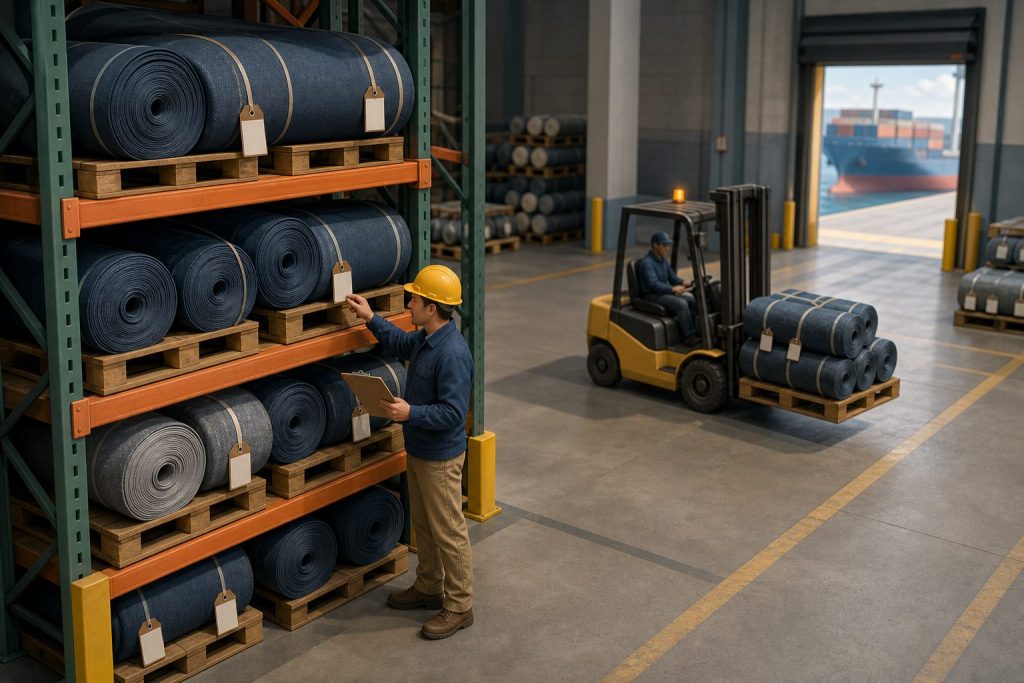
Apparel brands importing denim, wovens, and knitwear into the United States can legally delay or reduce customs duty payments by routing goods through a bonded warehouse or a Foreign Trade Zone (FTZ). A bonded warehouse lets a brand store finished goods for up to five years without paying duty until the merchandise is withdrawn for […]
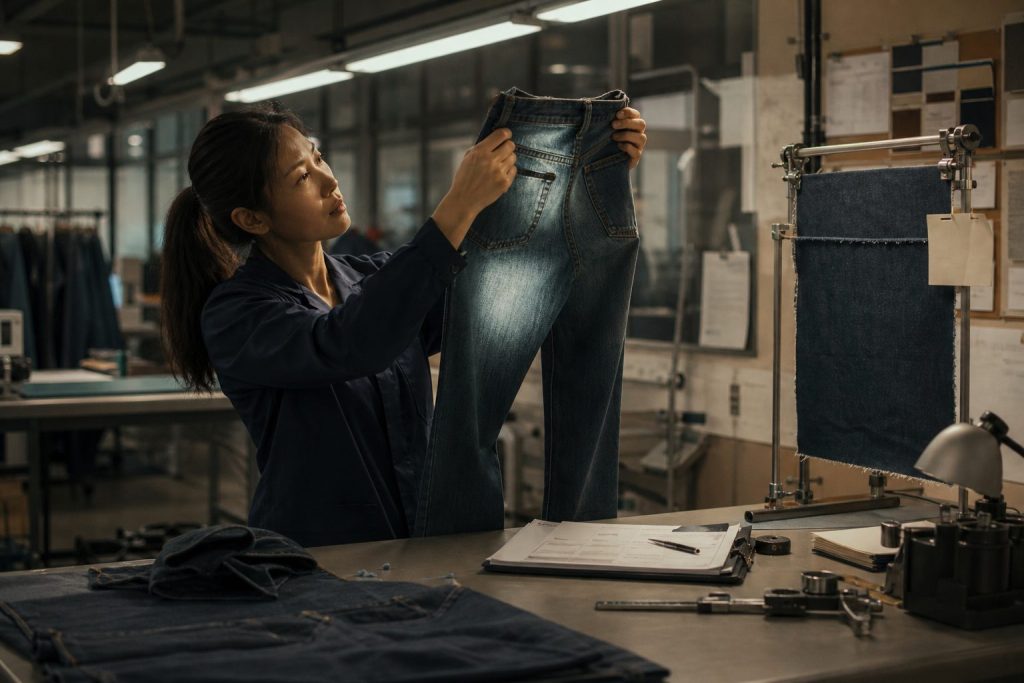
A design team that is truly ready for private label work does more than draw good clothes. It converts a brand’s vision into a production-ready tech pack, understands fabric behavior well enough to prevent fit and wash problems before cutting begins, and works fluently with factories, compliance teams, and quality control checkpoints across the full […]

A brand spending $400,000 or more annually on apparel sourcing has enough order volume to benchmark meaningfully against industry cost structures, but most never do it with real numbers. The right approach breaks total landed cost into its parts (fabric, labor, overhead, logistics, compliance) and compares each line against published industry ranges rather than comparing […]
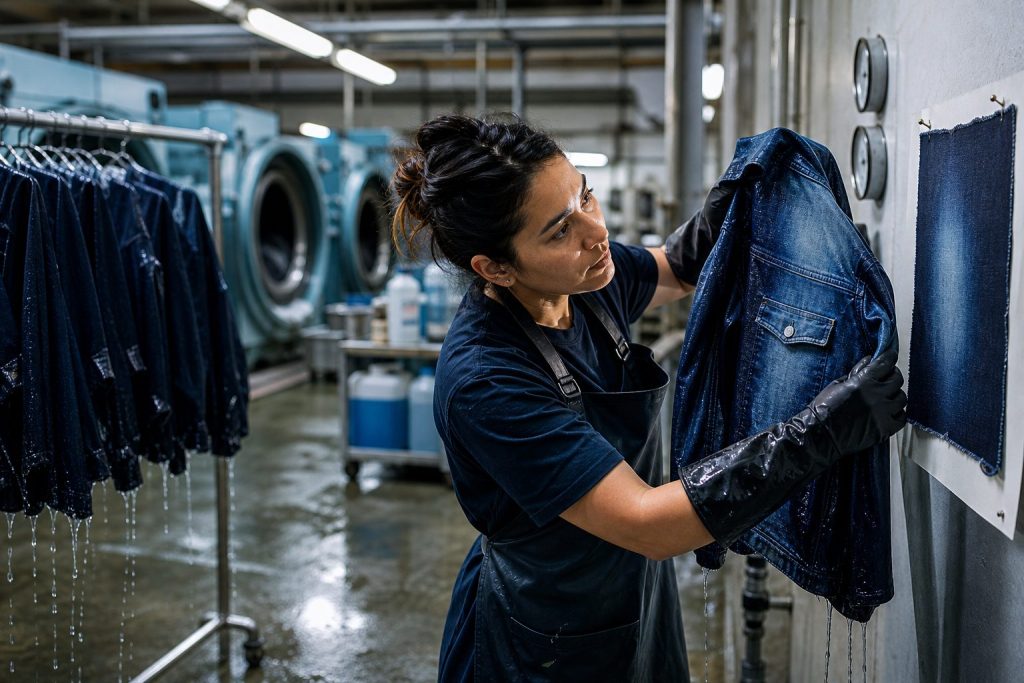
Wash and finish development should run on its own calendar in any denim program, distinct from the cutting and sewing timeline, because the two processes rely on entirely different mechanisms. Garment construction is dry work: cutting panels, stitching seams, attaching hardware to a fixed set of measurements. Wash and finish is wet and chemical work: […]

Mill capacity bottlenecks happen when a denim mill has more fabric orders than loom hours, dye vats, or finishing lines to fulfil them in a given window, forcing brands into price increases, late deliveries, or substitute fabrics. Experienced sourcing partners avoid this by booking mill capacity 2 to 3 seasons ahead, spreading order volume across […]
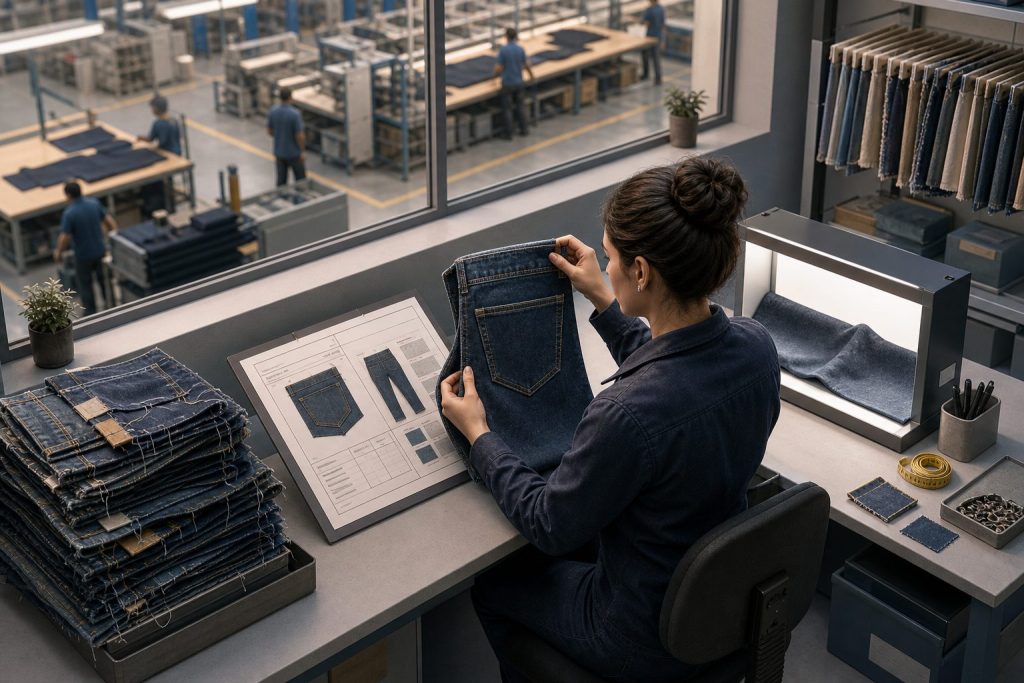
A sample approval workflow is the clearest window a brand has into how a sourcing partner will actually behave once bulk production starts. The number of sampling rounds required, how deviations are documented, and who signs off at each stage all signal whether a factory and its sourcing partner catch problems on a swatch of […]
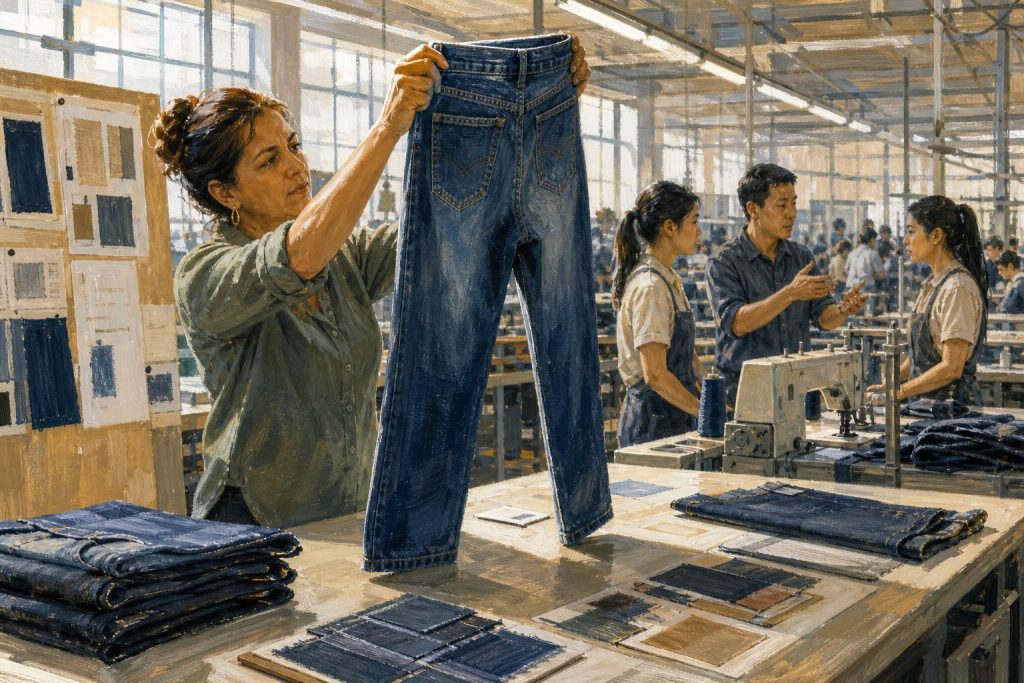
Exiting a sourcing partnership without disrupting delivery commitments requires overlapping the outgoing and incoming supplier relationships rather than switching between them on a single date. The brand keeps the current supplier running live orders while a new partner is sampled, approved, and phased into production, with inventory buffers and shipping schedules bridging the gap until […]