
A time and action calendar for a denim collection is a dated schedule of every approval and production step. It is planned backwards from the launch date, and each step has a named owner [ruhrose.com]. Denim differs from other categories because three milestones control everything that follows them: Booking the right fabric at the mill. […]
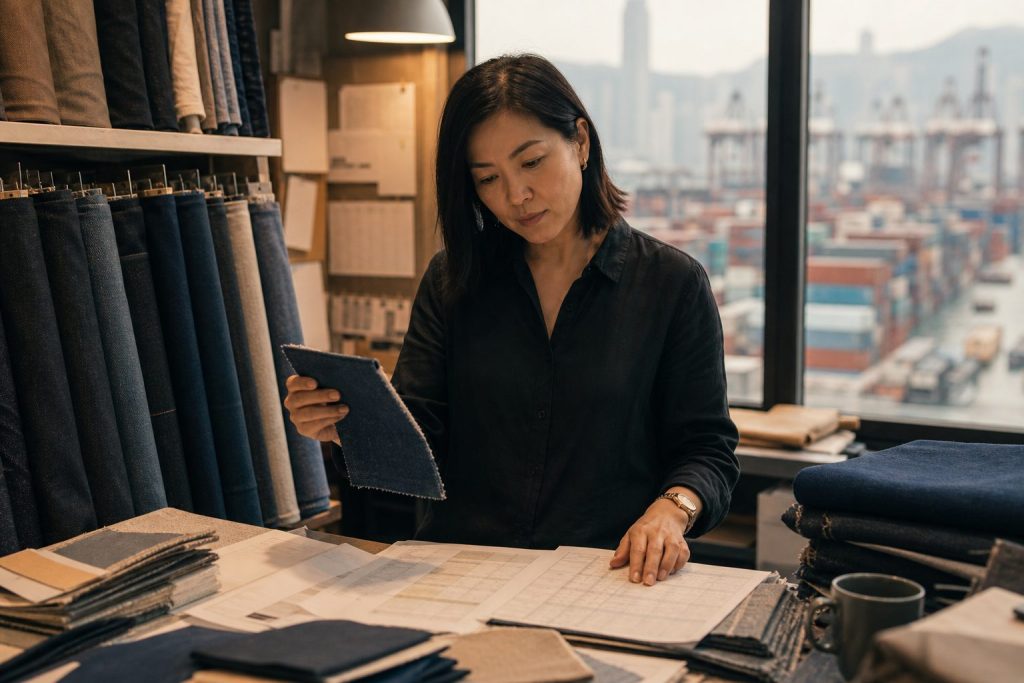
For most apparel brands in 2026, the strongest response to a tariff deadline is a phased one. Commit early on proven core styles and the fabric behind them, and keep fashion-driven quantities flexible until duty rates and demand are clearer. Front-loading pays only when the duty you avoid is larger than the cost of holding […]
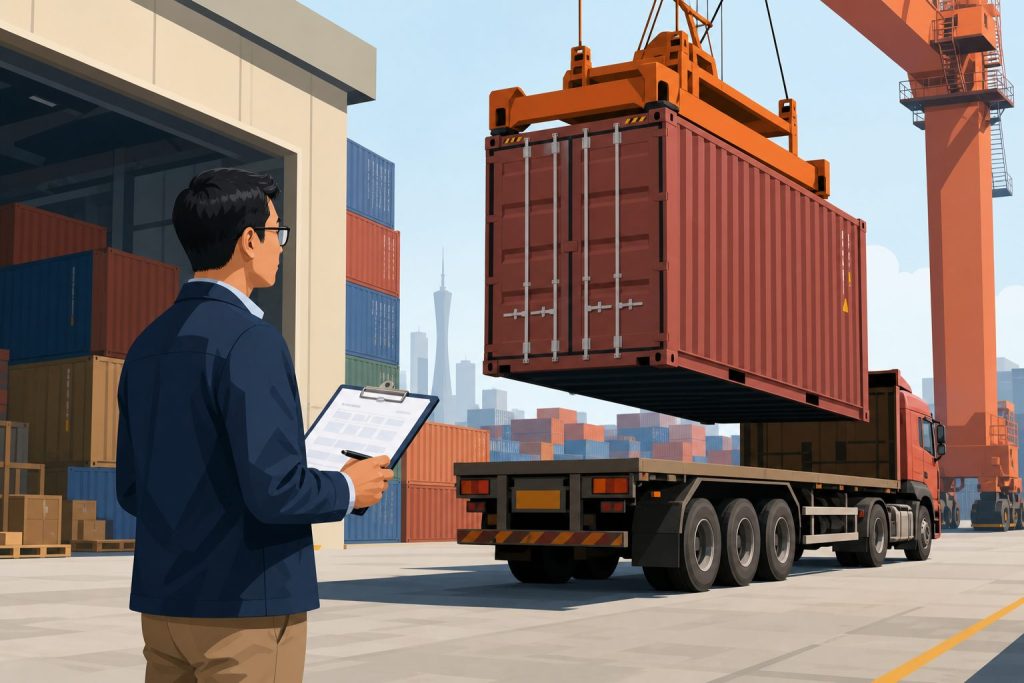
Your Incoterm decides who pays the tariff, who is legally liable for it, and who absorbs the cost when rates change mid-season. Under FCA and FOB, the apparel brand is the importer of record. It carries tariff liability but keeps control of freight, duty timing and deferral options. Under DDP, the supplier becomes the importer […]
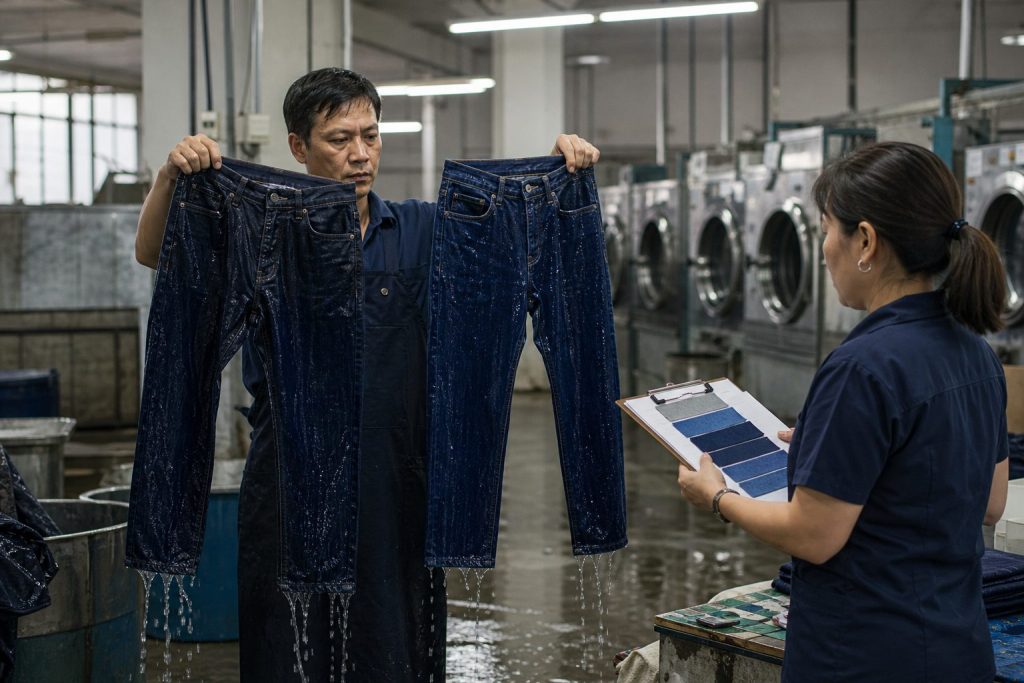
To test a new production market safely, run a small, sellable denim capsule through a qualified factory there. Include your hardest fabric and wash, and benchmark it against a control style from your current supplier. Move volume only once fit, wash consistency, compliance paperwork and delivery performance pass thresholds you agreed in writing beforehand. Wadhsons […]
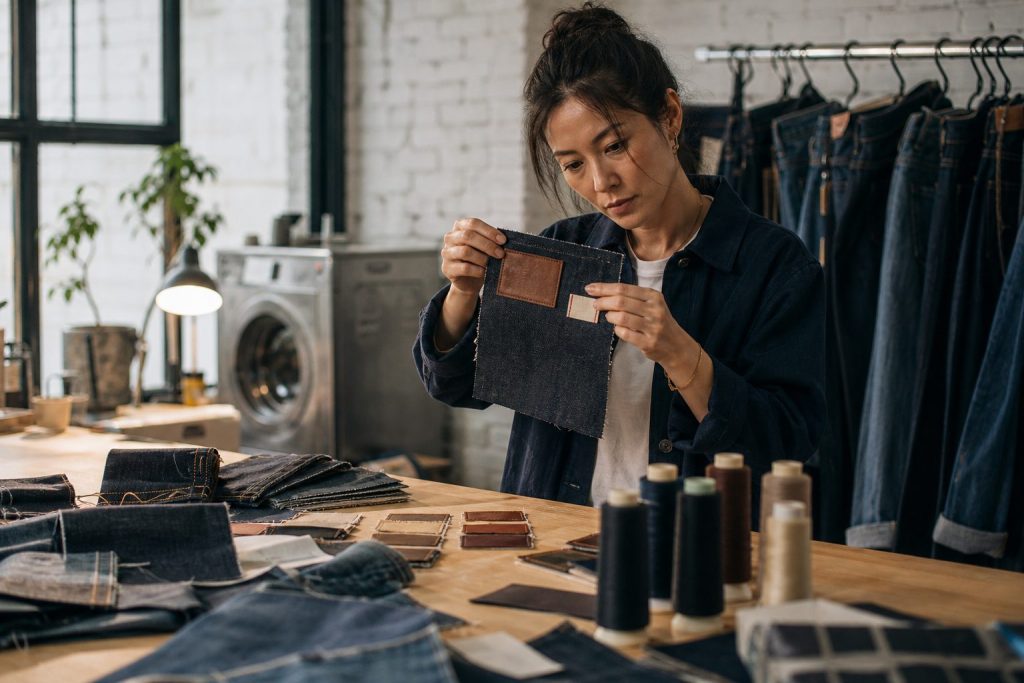
Private label branding builds brand equity through the details a customer handles after the fabric itself: woven labels, care labels, hang tags, leather jean patches, and the packaging the garment arrives in. These details work best when an in-house design team develops them alongside the garment, so every trim, label, and box carries the same […]
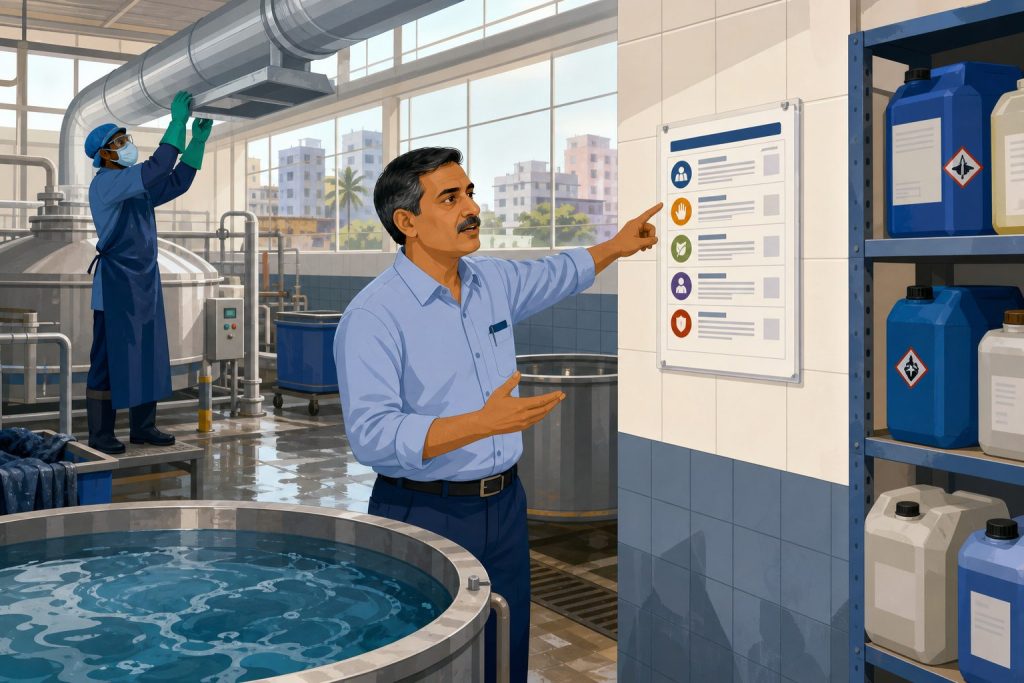
Partner factories follow a supplier code of conduct when three conditions hold. The code must be written for the factory floor. The brand’s own buying behaviour must make compliance possible. The rules must be verified after signing. In practice, that means you translate the code into the local language, separate zero-tolerance rules from improvement targets, […]

To trace a supply chain beyond Tier 1, an apparel brand has to work backward from each finished garment to the fabric mill, the yarn spinner and the fiber source. At every handover, it needs verifiable records rather than the cut-and-sew factory’s word. Wadhsons has managed sourcing out of China since 1985, and its denim […]
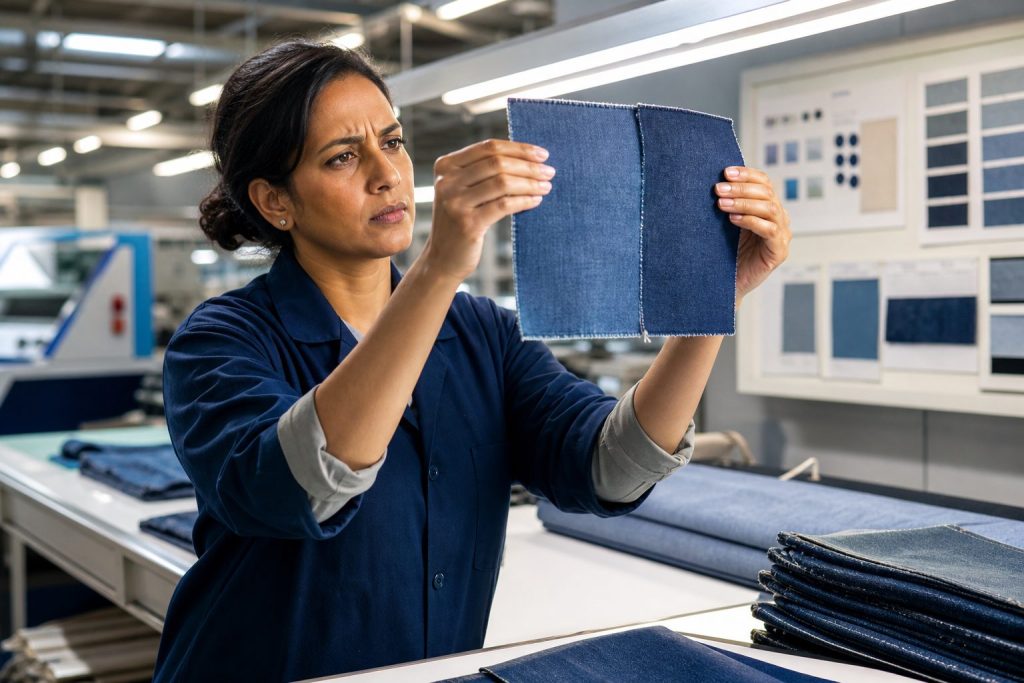
The lowest unit price often costs more because an FOB quote shows what a garment costs to make. It does not show what the garment costs to sell. Add freight, duty, inspection, defect recovery, customer returns and the markdowns that follow late or inconsistent stock, and the lowest quote can end up with the highest […]
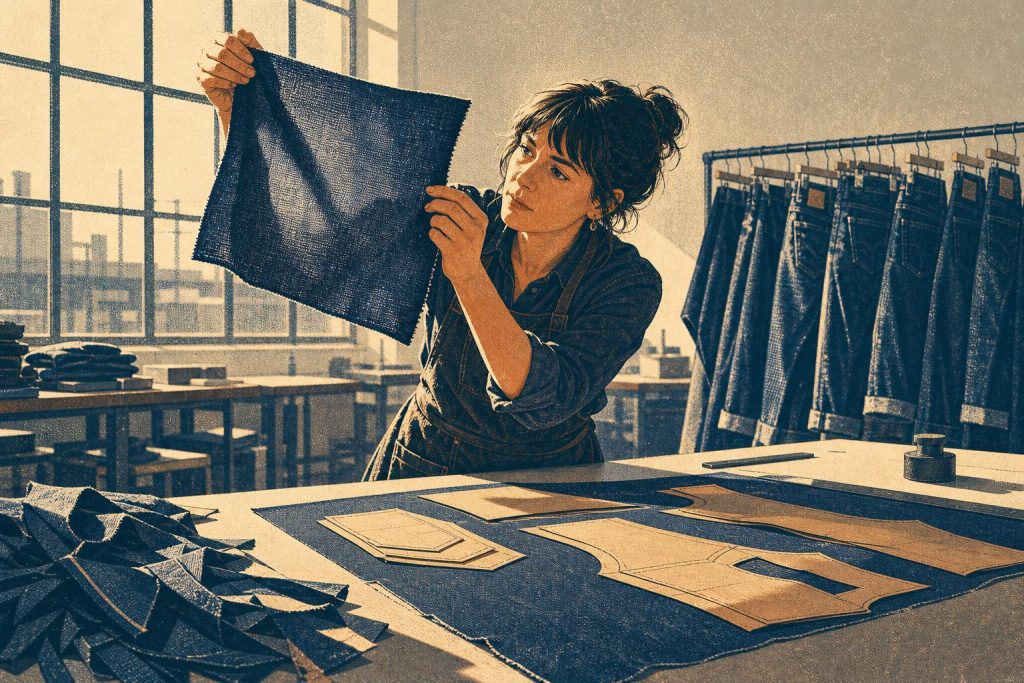
In-house denim design teams hit a target retail price by deciding, before the first sample is cut, which details customers see and feel and which they do not. They protect the first group and simplify the second. When this is done well, cost comes out of complexity, fabric yield, and wash processing, while fabric quality […]
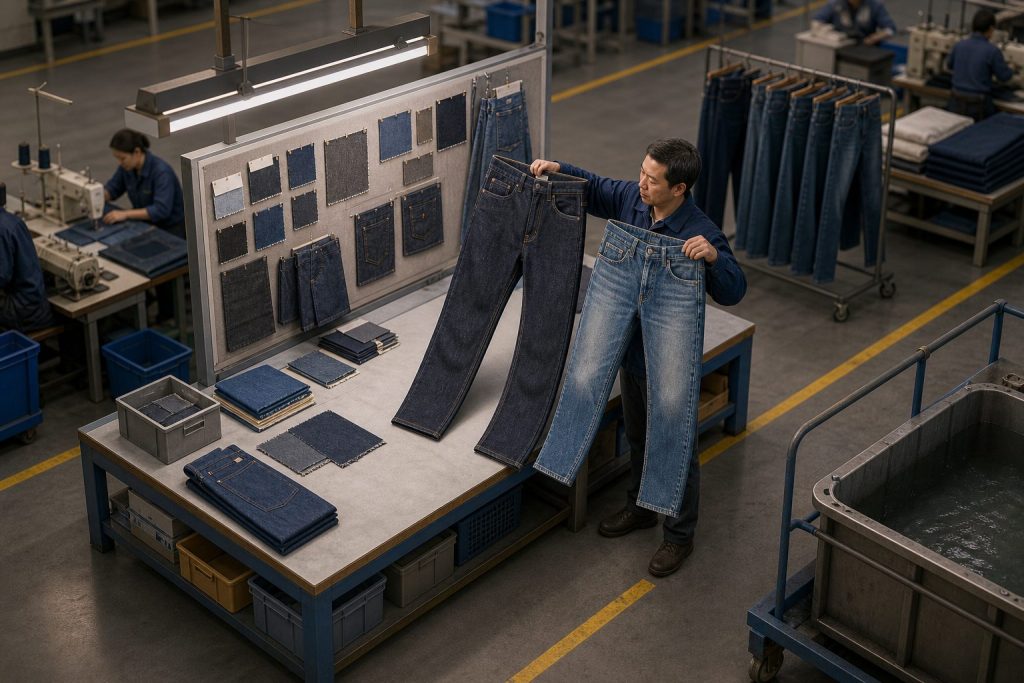
Brands benefit from a category-specialist supply chain partner because, in apparel, quality, margin and lead time depend on category-specific details: how a fabric shrinks in the wash, which mill can hold shade across lots, whether a trim survives finishing. A specialist has made those decisions many times and catches problems at the sample stage. A […]