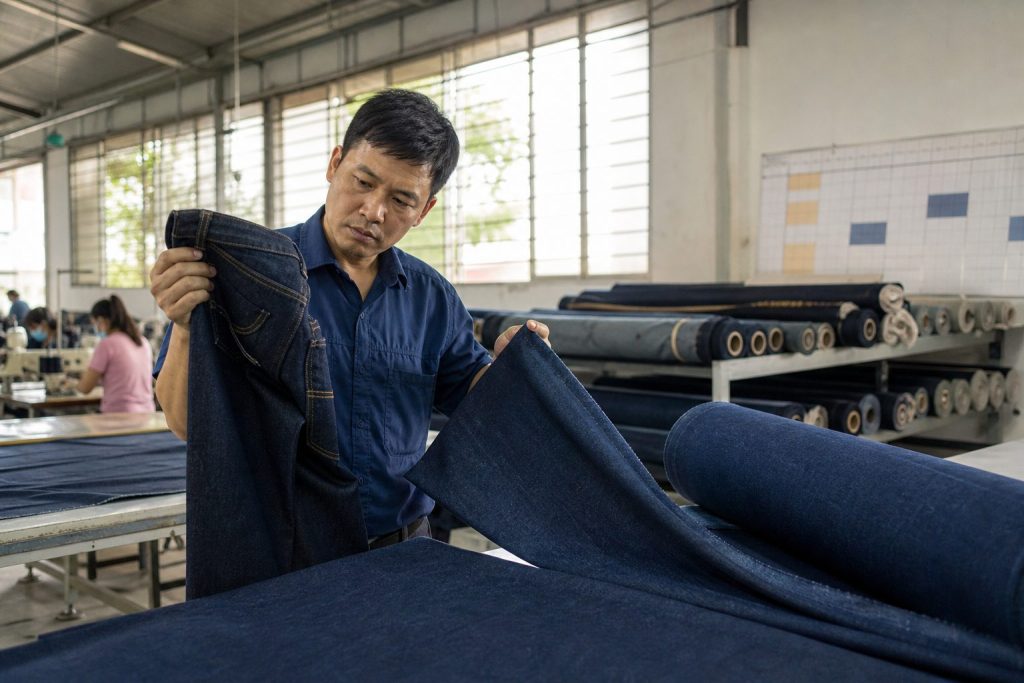
Moving only the sewing out of China can change a garment’s country of origin, but it often does not deliver the tariff saving brands expect. Your duty depends on three things: Where the garment is wholly assembled. What rate that country actually faces in 2026. Whether the product qualifies for trade-agreement preference. For apparel, preference […]
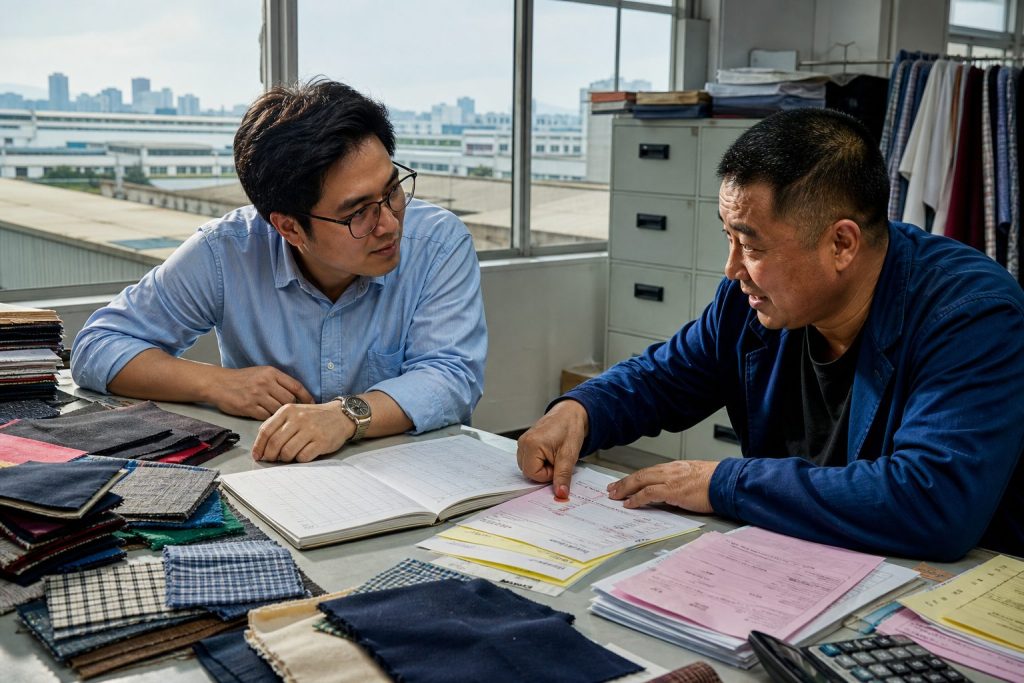
First sale valuation lets a U.S. importer pay customs duty on the price the factory charged the middleman instead of the higher price the importer paid that middleman. To qualify, the first sale must be a genuine, arm’s-length transaction for goods clearly destined for the United States. Removing the intermediary markup from the dutiable value […]
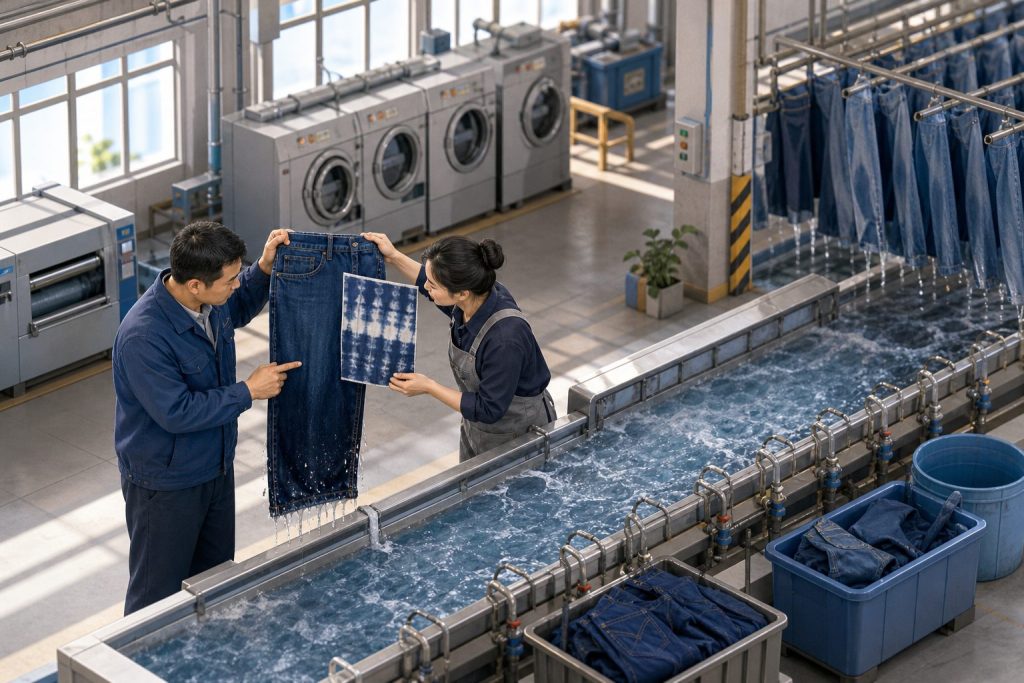
In 2026, the denim styles to keep in China are the ones where most of the value comes from development work rather than sewing time. That means trend-led fits, stretch and heavyweight fabrics, multi-step washes, embroidered or leather-trimmed details, and short runs that need fast reorders. The styles worth testing in other production markets are […]
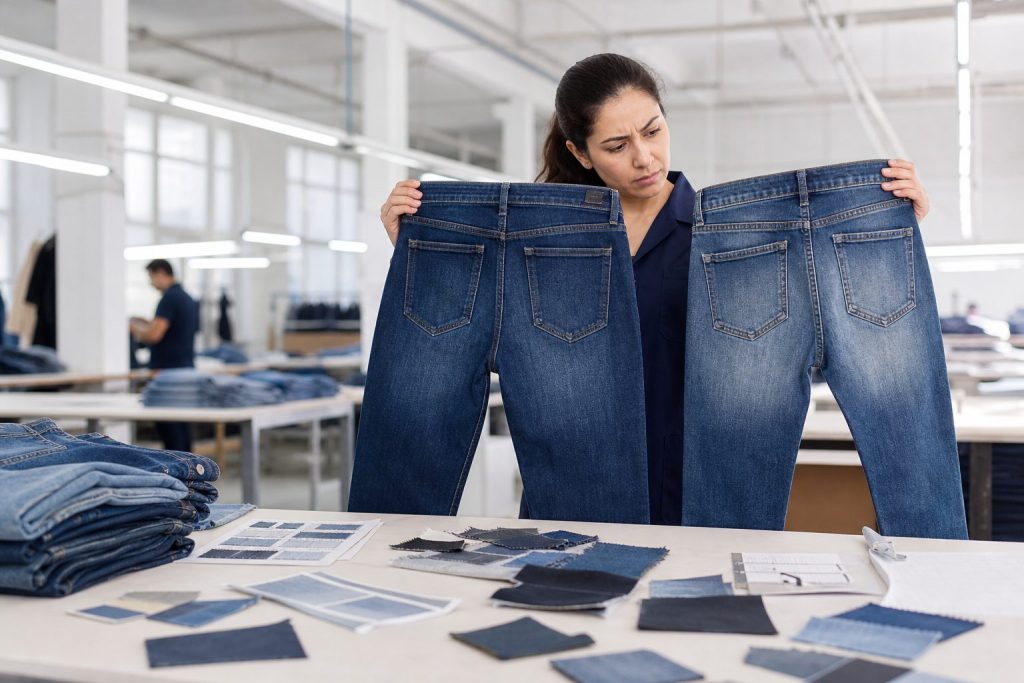
Most year-one problems with a multi-market sourcing company come from handoffs, not from bad factories. A specification gets reinterpreted between design and production. Fabric behaves differently at a second mill. Compliance evidence arrives in a different format from each country. Shipments leave on time but never arrive together. Wadhsons has worked in sourcing since 1985, […]

A fashion brand can find ethical, sustainable manufacturers in Asia before visiting by treating certifications as a first filter and then checking the evidence behind them remotely. That evidence includes valid certificates, recent social audit reports, corrective action histories, business licences and a live video walkthrough. Only factories that pass this desk-based screen deserve a […]
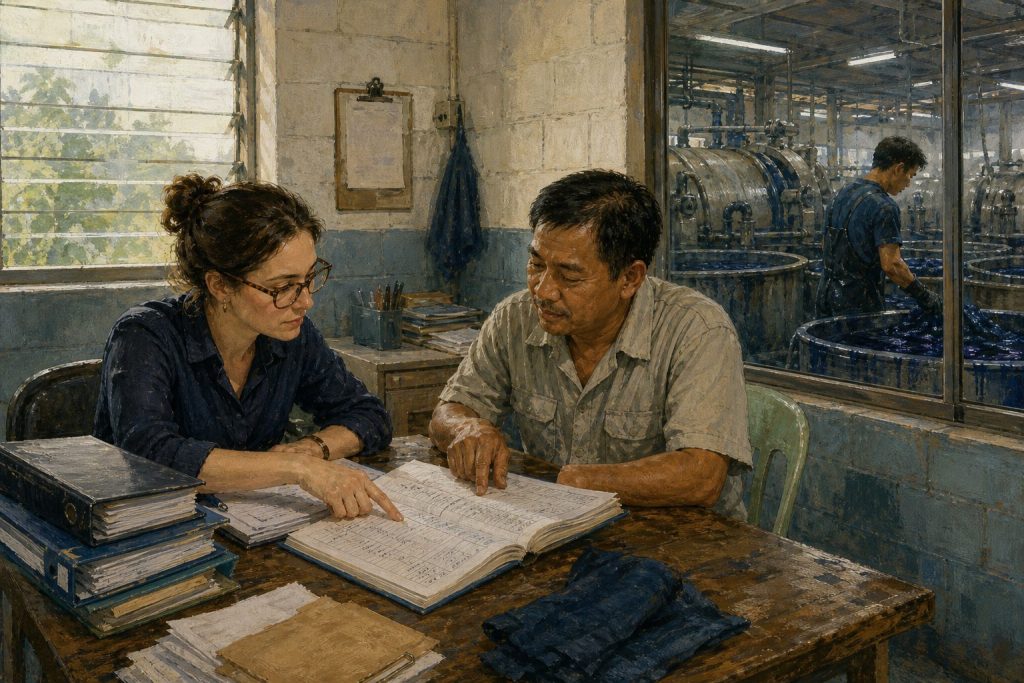
A purchase contract holds an overseas manufacturer to labor and environmental standards only when it does three things. It names the standard, it gives the buyer a way to verify compliance, and it attaches a consequence to failure. In practice, that means incorporating your supplier code of conduct by reference, adding a right to audit […]
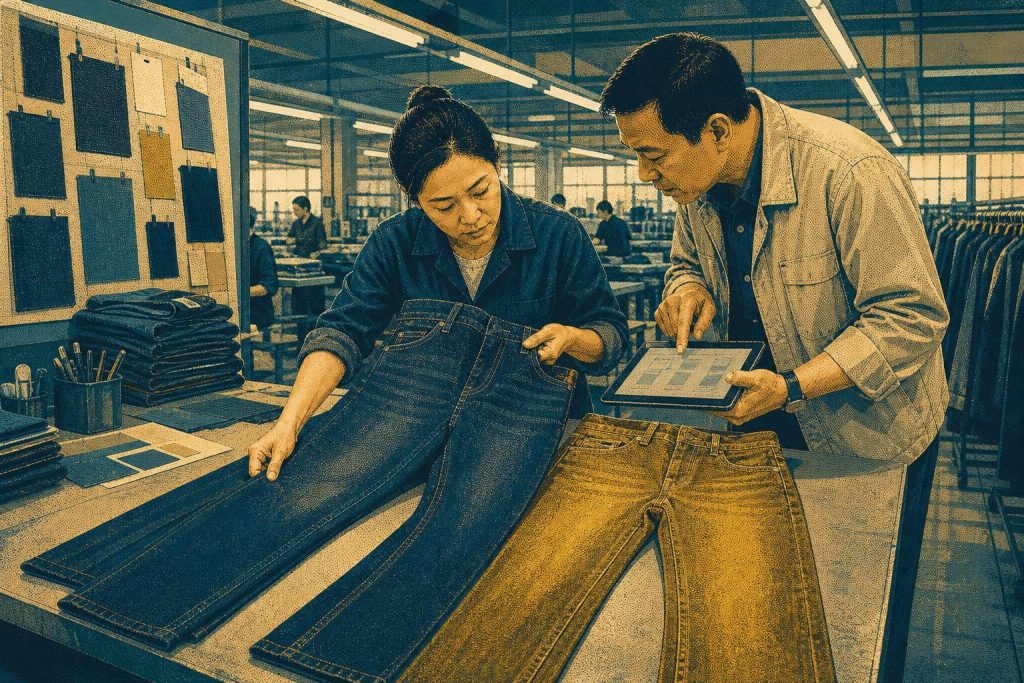
Move your core, repeat-selling styles first, especially fabric and fit-critical items such as denim bottoms. Their sales data is stable, their specs are known, and consistency matters most. Keep trend tests and micro-runs on the marketplace until the new partnership is proven. Wadhsons has worked in China-based sourcing since 1985 and has an in-house design […]
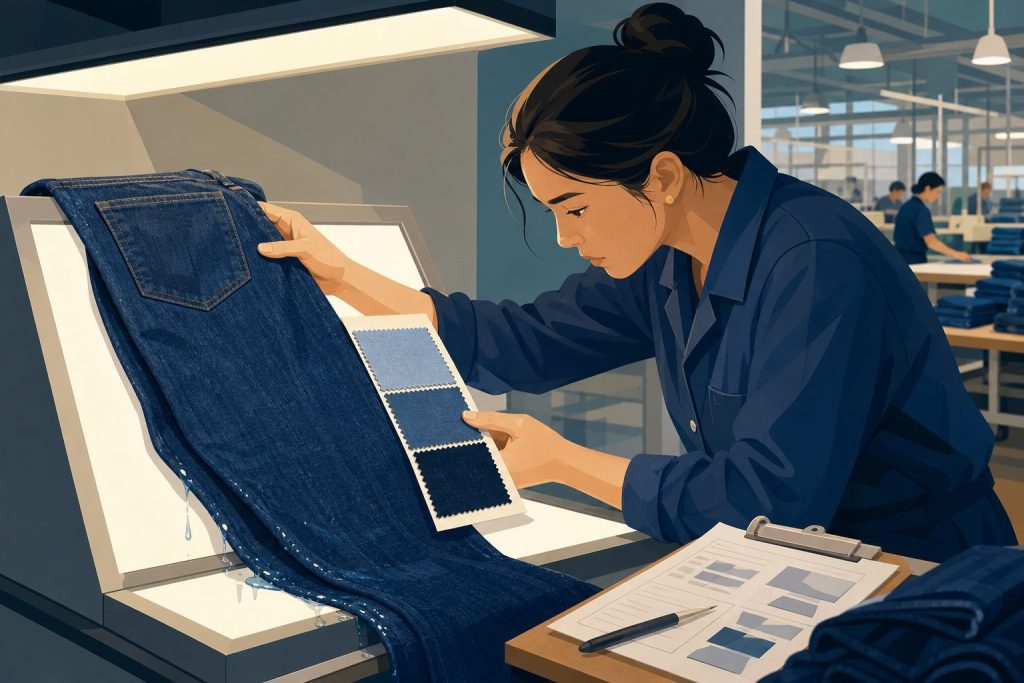
Detail-focused denim sourcing companies keep wash shades consistent by treating the approved sample as a recipe that must be engineered for scale, rather than a picture to be copied. In practice, that means five things: Controlling fabric dye lots before washing begins. Documenting every wash variable. Running a pilot wash in production-size machines. Approving bulk […]
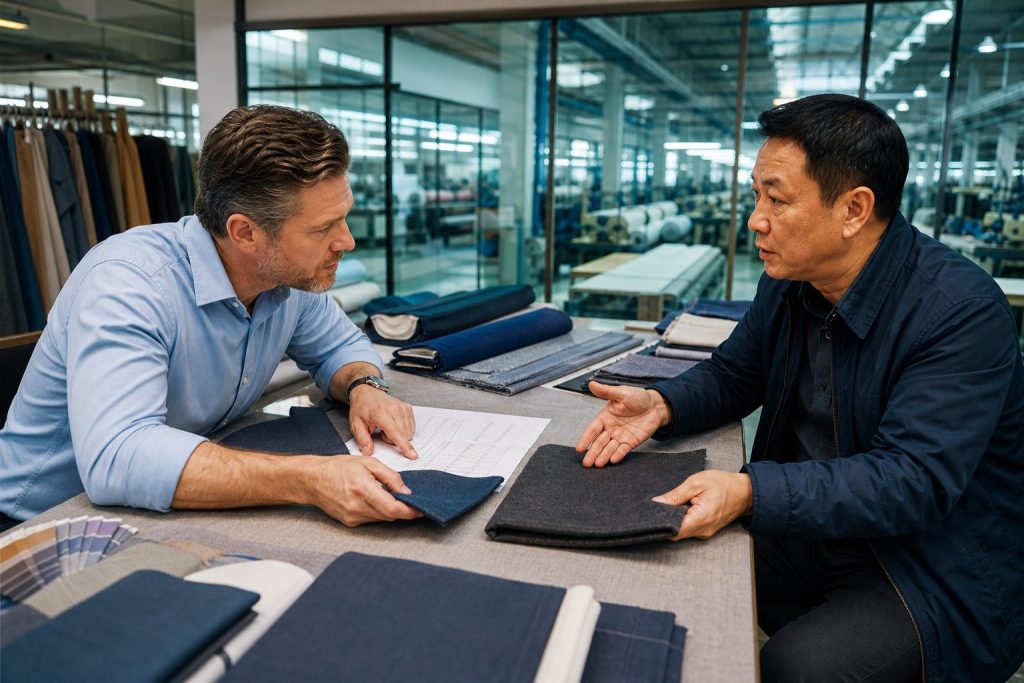
An honest garment sourcing company pushes back on a target price when that number cannot cover the fabric, construction, compliance and timeline the product actually needs. Saying yes anyway does not remove those costs. It moves them into thinner fabric, revised specs or delays that appear only after bulk has been paid for. At Wadhsons, […]

Fabric choice changes the base duty on a Chinese-made garment. It does not change the China-specific tariffs stacked on top. Under the 2026 U.S. Harmonized Tariff Schedule, apparel is classified by construction (knit or woven) and by the fiber that predominates by weight. Moving a style from a polyester-predominant blend to a cotton-predominant one can […]