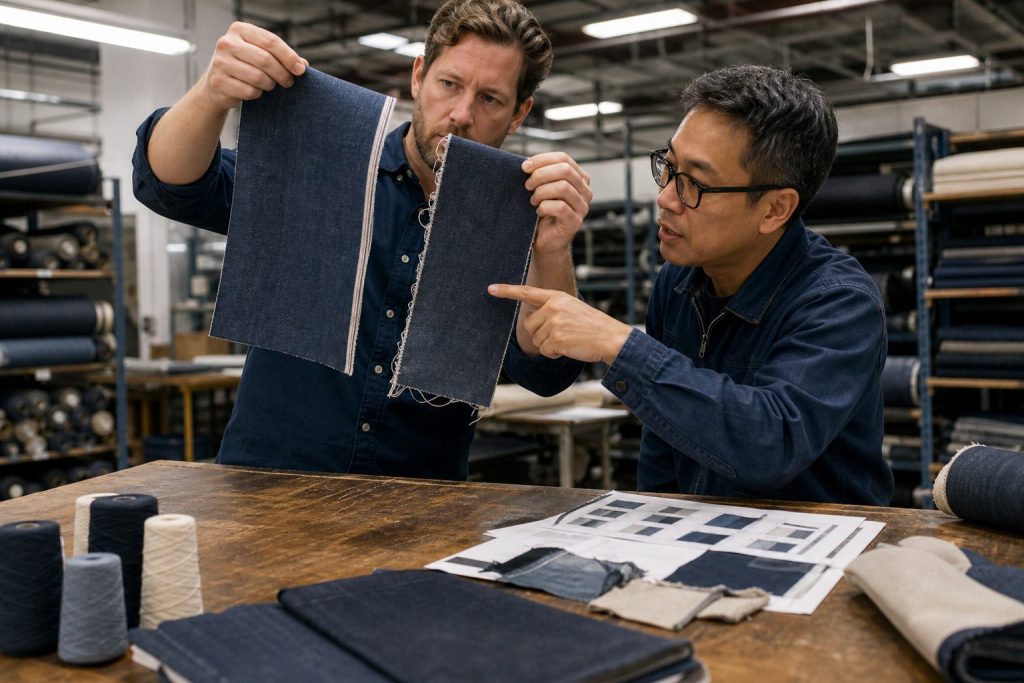
Selvedge and ring-spun are not competing categories, they are two separate technical processes that buyers routinely confuse when writing specs. Selvedge describes how a fabric is woven on narrow vintage shuttle looms that create a self-finished edge that will not fray, while ring-spun describes how the yarn itself is twisted before it ever reaches a […]

Denim fabric testing standards protect brands by measuring dimensional stability and color retention before a garment ever reaches production, using standardized wash simulations that predict how jeans will behave after repeated real-world laundering. The two failure modes that cause the most post-launch damage, shrinkage and colorfastness loss, are both testable and largely preventable at the […]

Reworking a container load plan late in the production cycle is one of the few supply chain interventions that can cut shipping costs without adding a single day to transit time, provided it is handled by a team that understands both the cargo and the factory floor. The industry standard fill rate for Full Container […]

A shipment tracking dashboard that actually predicts delays combines three layers: real-time location data from carriers and factories, historical performance data on lanes and vendors, and a rules-based or machine-learning model that flags deviations before they become missed delivery dates. Most apparel brands only have the first layer, a map with dots on it, which […]

Denim sourcing partners protect intellectual property and design ownership through a combination of written confidentiality agreements, controlled factory access, fabric and trim traceability, and clear contractual ownership clauses that assign design rights to the brand rather than the manufacturer. The strongest protection comes not from a single document but from how a sourcing partner structures […]
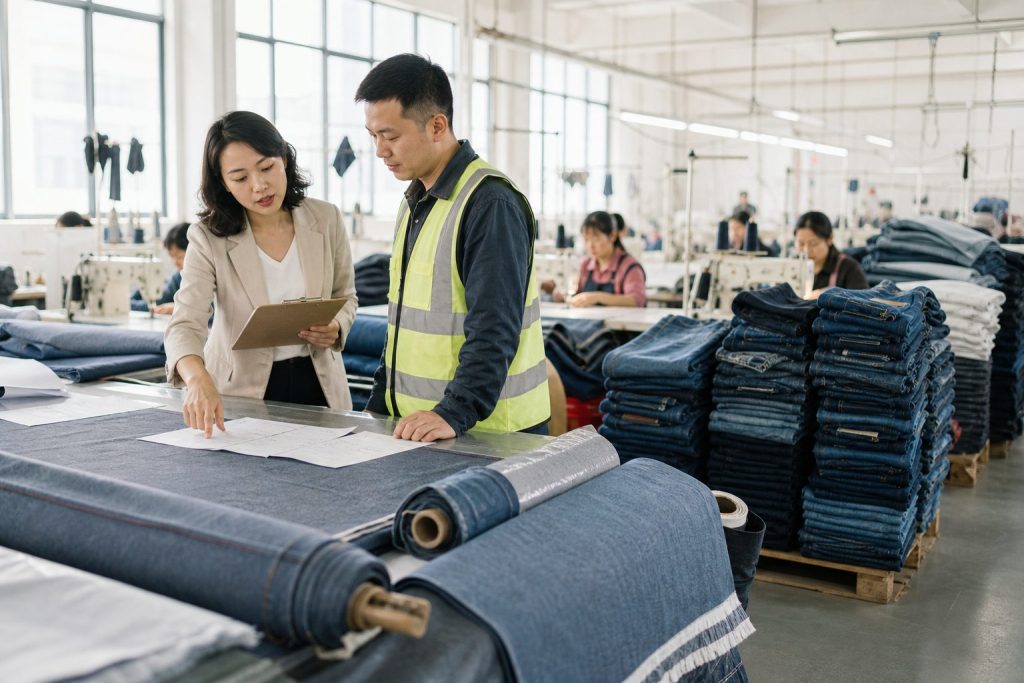
Volume tiering lowers the per-unit price of a garment as order quantity crosses set thresholds, while rebate structures return a percentage of spend to the buyer after a purchasing period closes rather than adjusting the invoice at the time of order [chargebee.com]. Both tools exist to reward growing order volume, but they pay out differently: […]
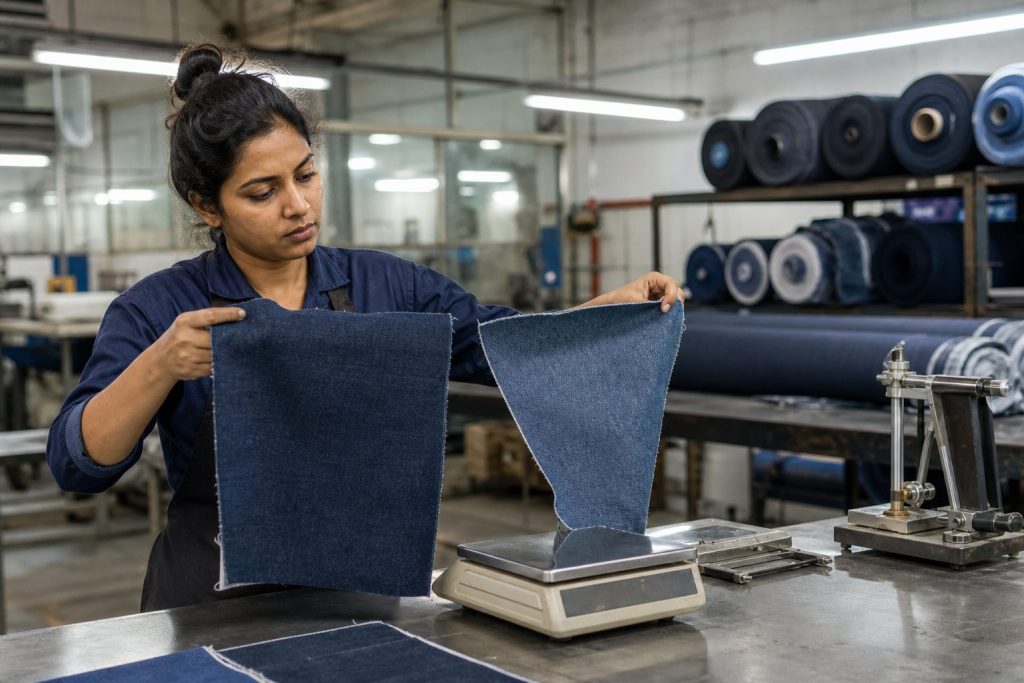
Denim weight and stretch composition together determine how a garment fits, wears, ages, and holds up to repeated washing, and getting this pairing wrong is one of the most common (and costly) mistakes brands make when developing a jeans collection. Weight, measured in ounces per square yard, governs structure and durability: lightweight denim sits under […]

The clearest way to divide decision rights between an apparel brand and its sourcing partner is to keep brand identity, commercial strategy, and final approvals in-house, while delegating execution decisions such as factory selection, production scheduling, and technical problem-solving to the sourcing partner. The brand should own every decision that touches customer perception or financial […]
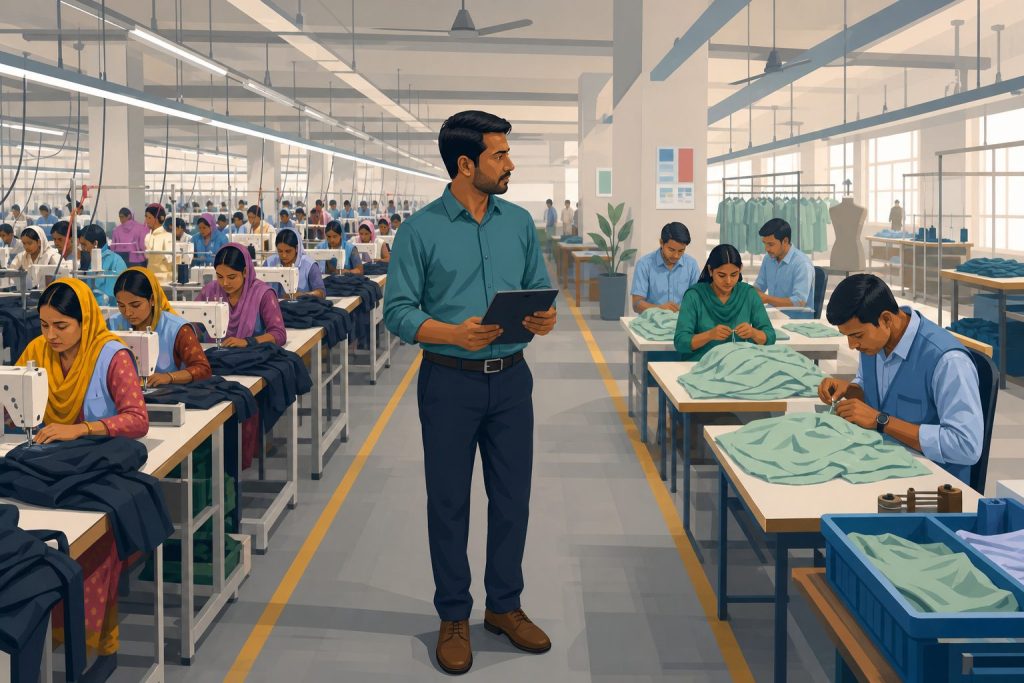
Onboarding a new sourcing partner while orders are already in motion is a parallel-running exercise, not a switchover. The safest approach is to keep the incumbent supplier fulfilling current purchase orders at full pace while the new partner is brought in on a separate, smaller workstream first, typically a pilot style or a limited fabric […]
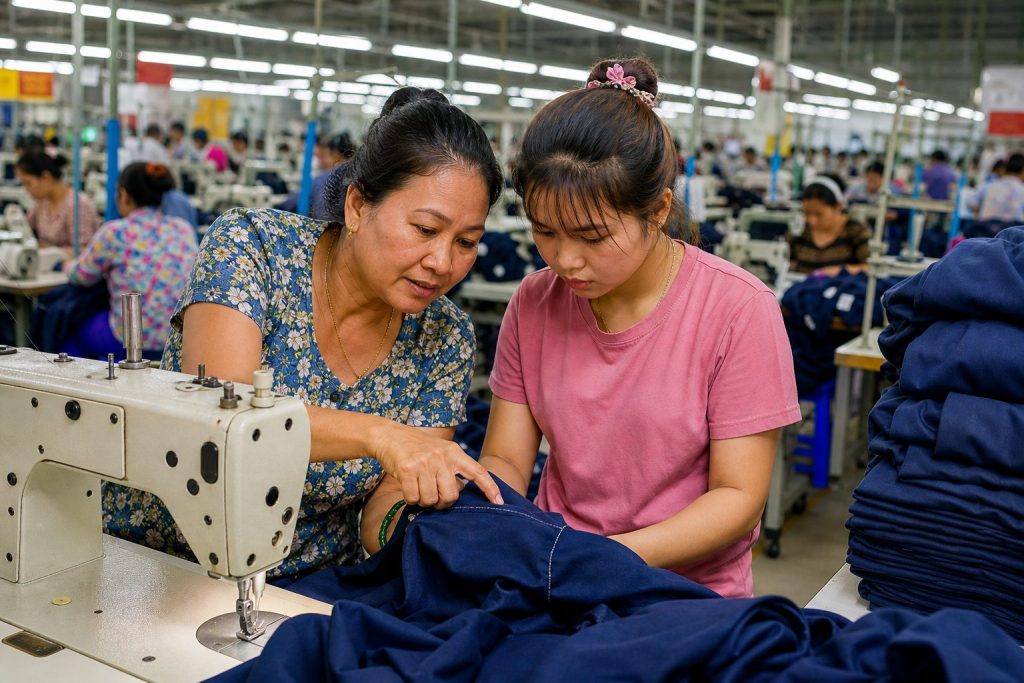
A supplier’s employee turnover rate is one of the most reliable early indicators of long-term production reliability because it directly measures whether a factory retains the skilled operators, line supervisors, and quality staff needed for consistent output. High turnover in manufacturing is statistically correlated with increased production defect rates and lower first-pass yields, since departing […]