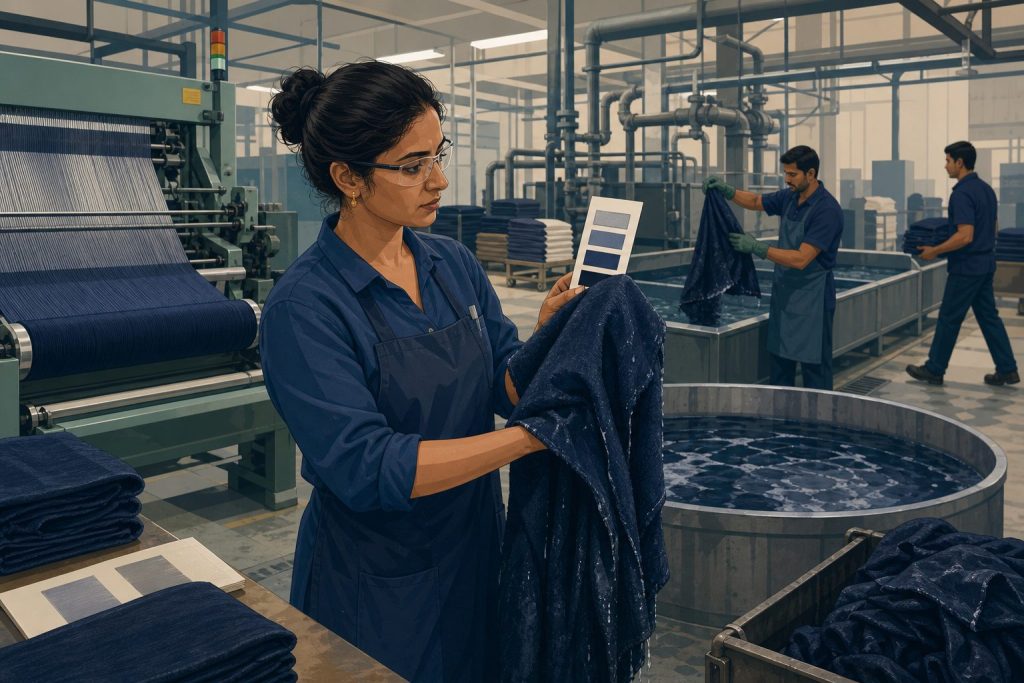
Choosing between Vietnam, Bangladesh, and Pakistan for denim production comes down to matching each country’s mill capabilities and wash infrastructure to your specific fabric weight, finish complexity, and delivery timeline. Vietnam suits brands needing fast turnaround and highly automated finishing on simpler washes. Bangladesh fits programs requiring complex, multi-step wash treatments at large volume. Pakistan […]
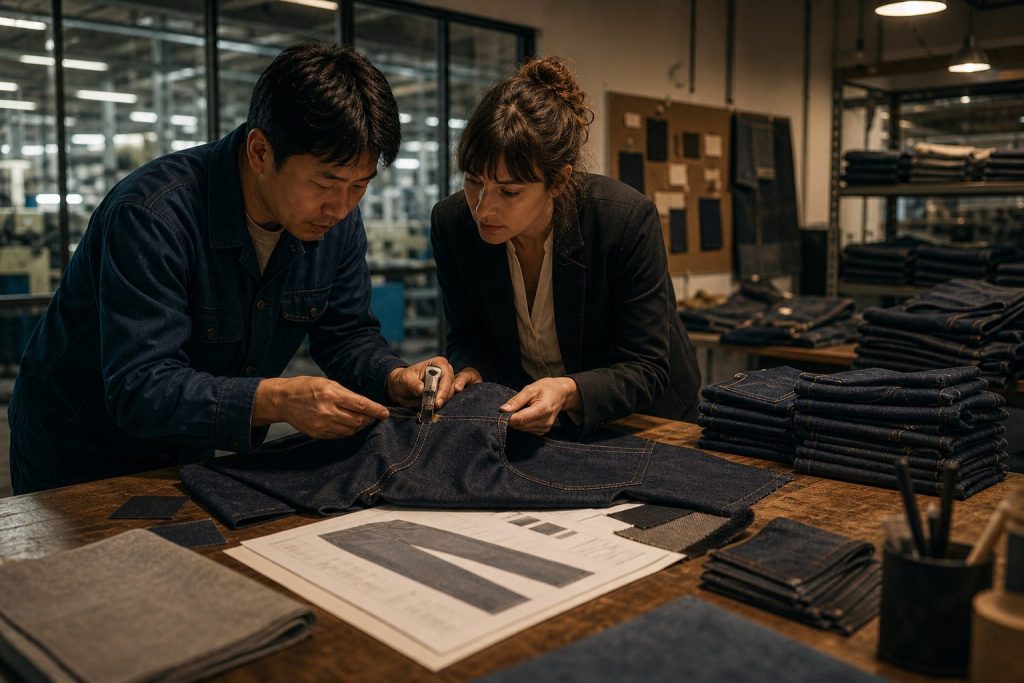
Private label denim means a brand commissions a manufacturer to develop a garment to its own specifications, custom fabric, custom wash, custom hardware, and owns that design outright. This is fundamentally different from a relabeling program, where a brand simply sews its tag into a pre-existing, generic garment that other sellers can buy too. The […]
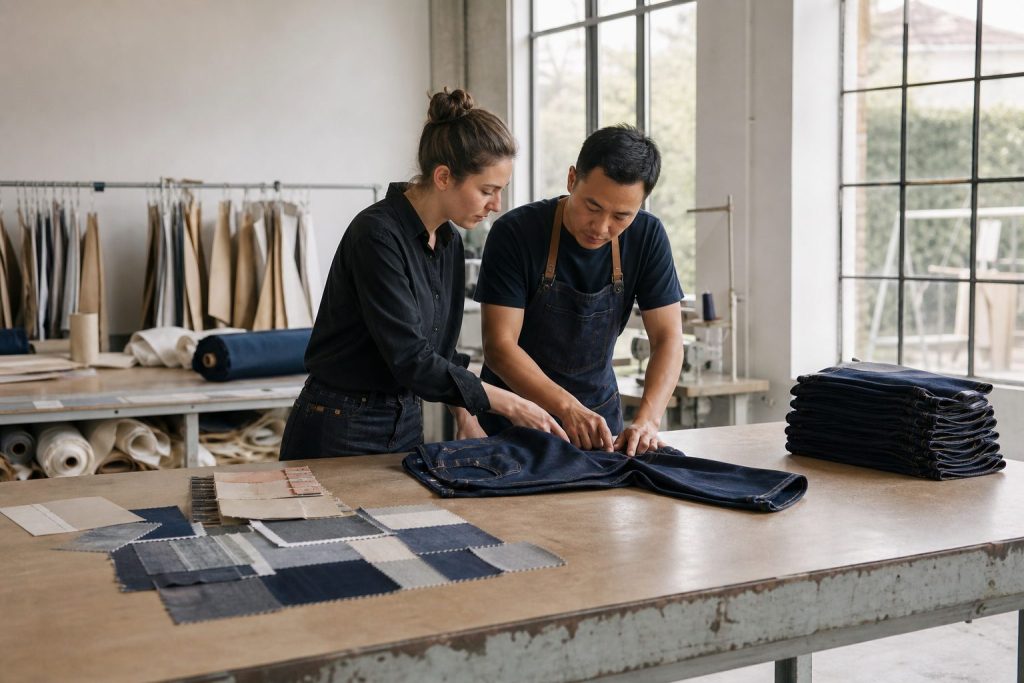
Building a sustainable denim line no longer requires ordering thousands of units of a single style. Specialized denim manufacturers now accept orders as small as 50 to 300 pieces per style, while standard OEM production typically starts at 500 to 1,000 pieces and full custom manufacturing runs from 3,000 to 10,000 pieces. Brands can combine […]

Before placing a large purchase order with any manufacturing or sourcing partner, a brand should confirm three things in writing: what insurance the factory legally carries for its workers, what liability coverage it contractually agrees to hold for defective or unsafe products, and whether a valid certificate of insurance names your company for the specific […]
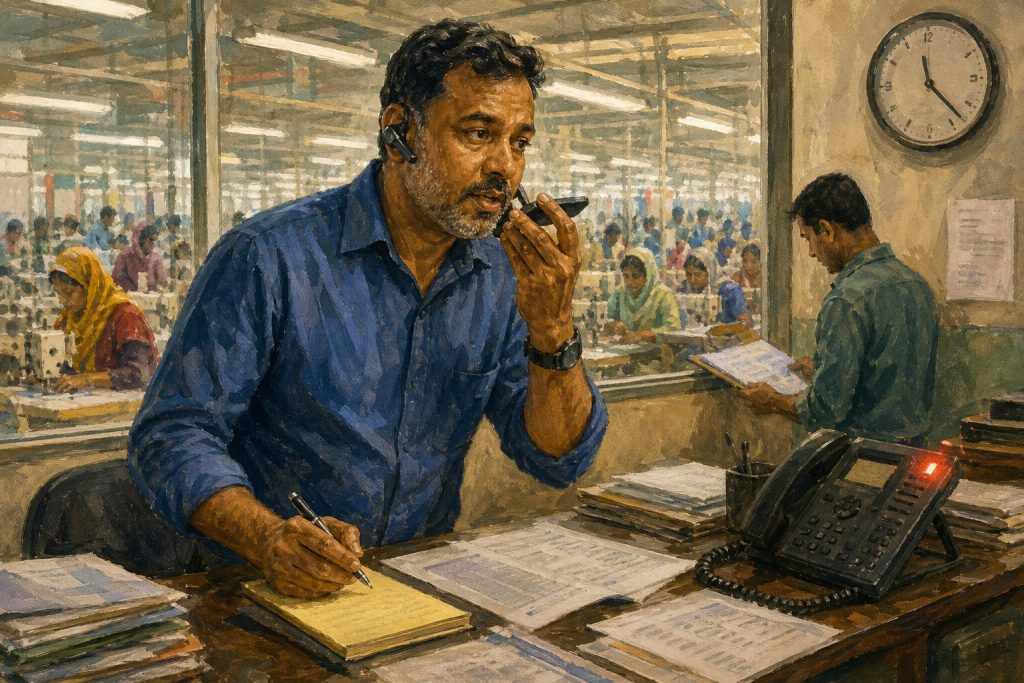
A supplier’s response time during a crisis is one of the most reliable predictors of how that supplier will perform under normal conditions over the long run. Speed of response signals whether a factory has documented escalation procedures, empowered decision-makers on site, and genuine transparency with its partners, or whether it is improvising each time […]
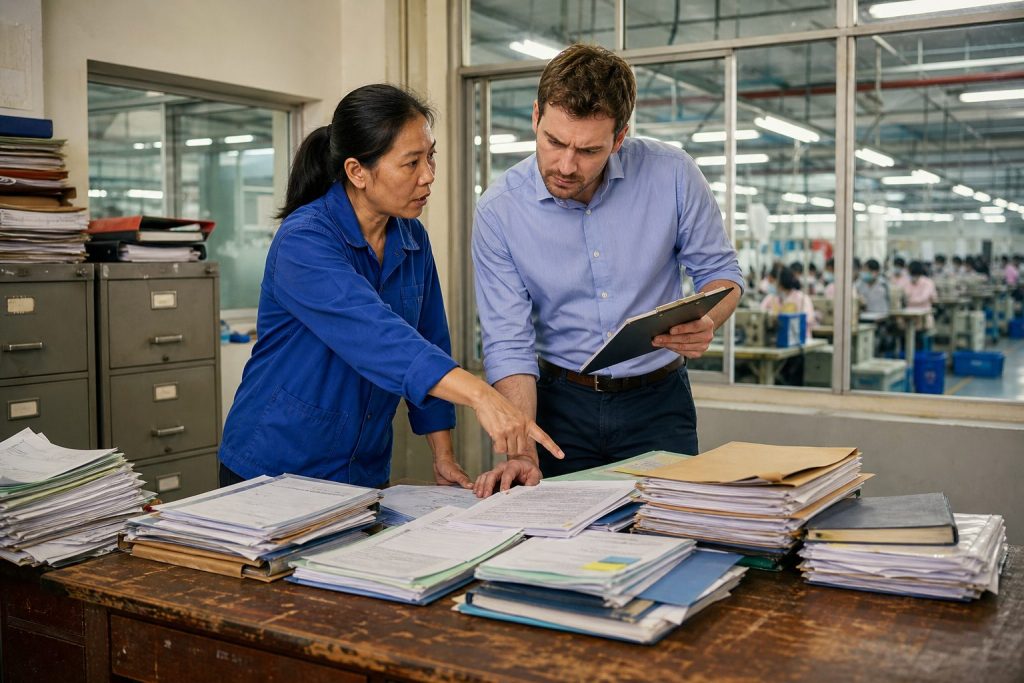
Verifying a factory’s subcontractor network means confirming, with documentary evidence rather than a verbal assurance, exactly which facilities will touch your production order and whether each one meets the same labor, safety, and quality standards as the primary factory. This matters because most factories subcontract at least part of an order during peak season, and […]
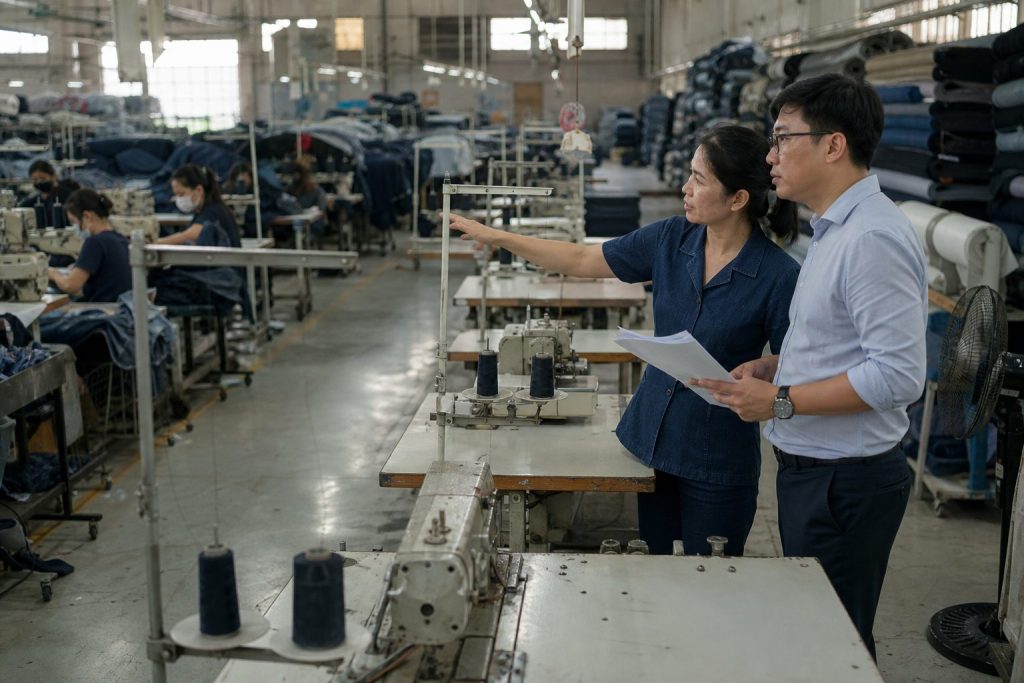
Brands that align their sourcing calendars with seasonal retail buying cycles can secure 8% to 15% better pricing by placing orders during a supplier’s off-peak production months, when factories have open capacity and greater incentive to negotiate. This is not a theoretical advantage. It comes from a simple mechanical reality of factory economics: idle machines […]
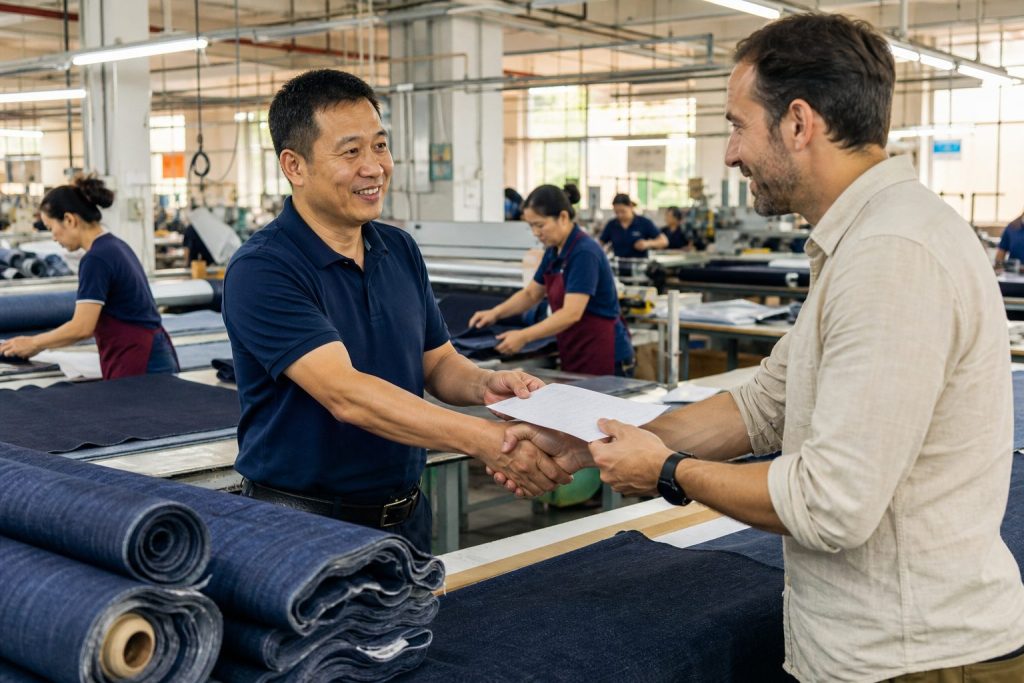
Payment terms are one of the strongest predictors of how a factory will treat a buyer over time. Factories that receive fair deposits, predictable payment schedules, and honest communication about cash flow tend to prioritize that buyer’s production slots, quality control, and problem-solving effort ahead of buyers who negotiate the lowest possible terms with no […]

Supplier succession planning means identifying, qualifying, and phasing in a replacement factory before a critical manufacturing relationship ends, rather than scrambling after a closure, ownership change, or capacity loss is announced. Done properly, it is a scheduled transition built around the same lead times a brand would use to onboard any new factory: three to […]
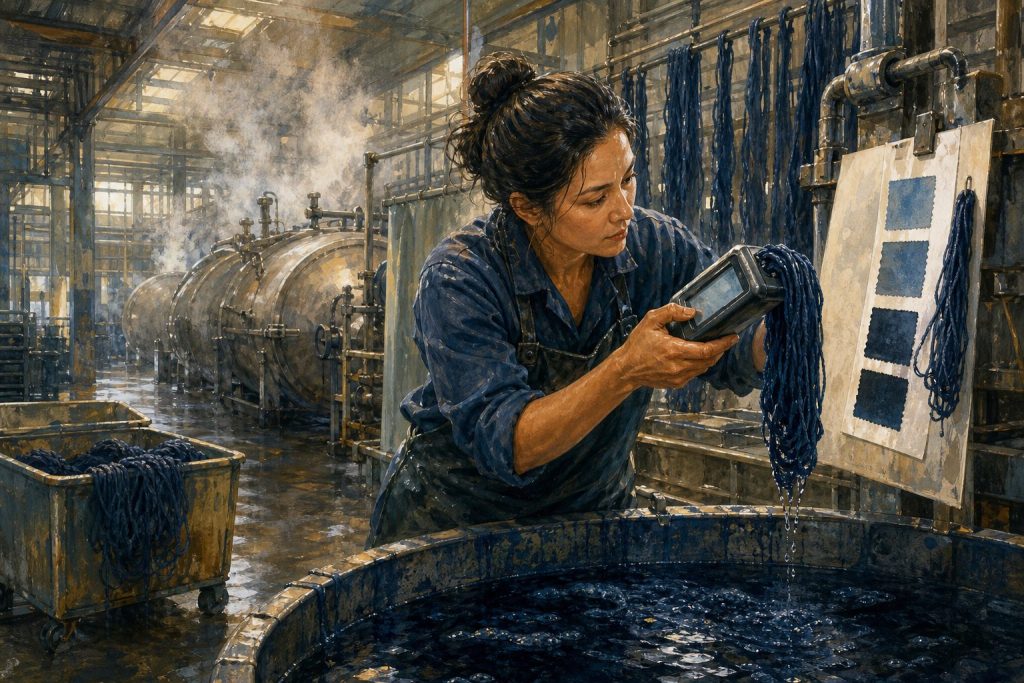
A denim sourcing partner manages indigo dye consistency across large production runs by controlling three variables at once: the chemistry of the dye bath, the calibration of dyeing equipment across every mill batch, and the inspection checkpoints that catch shade drift before it reaches cutting. Indigo does not dissolve in water on its own. It […]