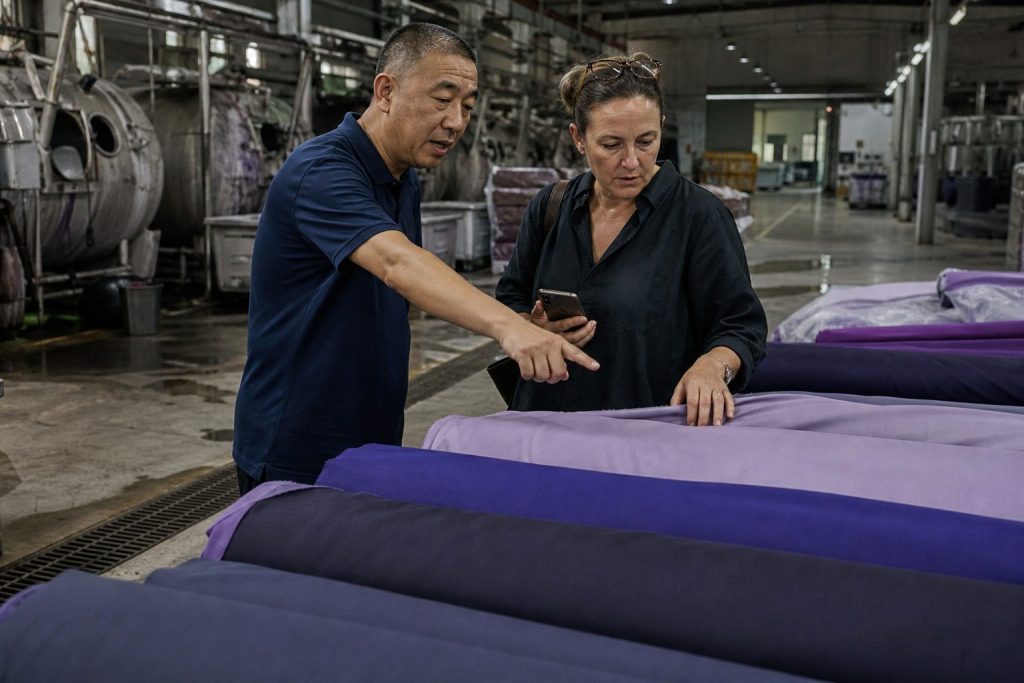
Sourcing partner longevity matters because supply chain disruption is absorbed through relationships, local knowledge and fallback options, and all three take years to build. A partner with decades in China knows which mills can re-run a fabric at short notice, which factories hold capacity for buyers they trust, and how a regulatory change is likely […]
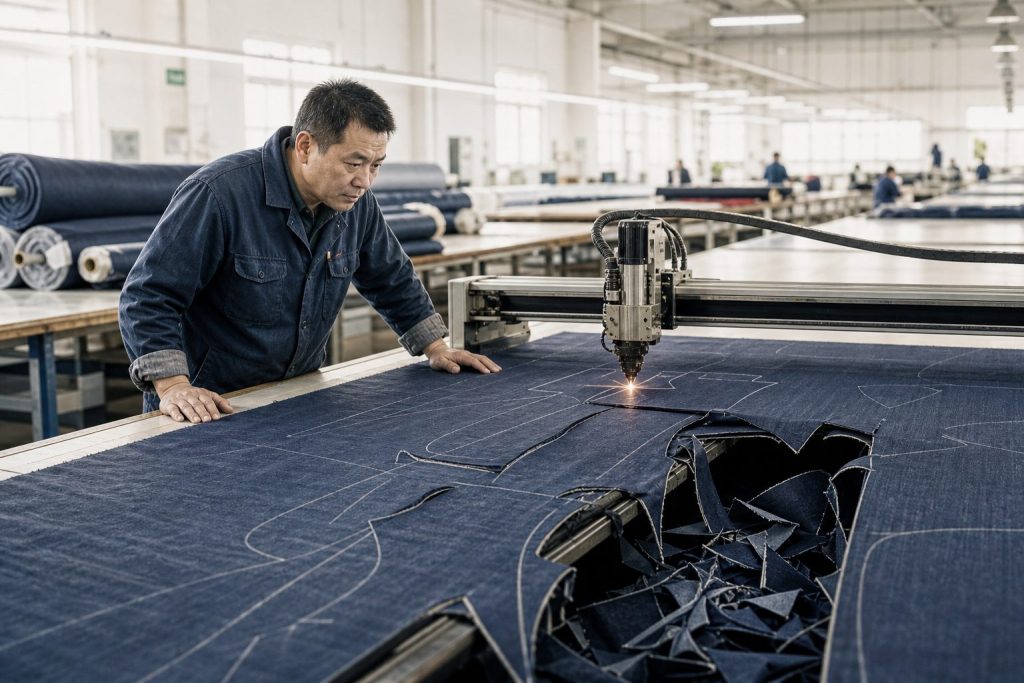
The cost of a premium denim jean comes mostly from fabric. Wash and finishing come next, followed by trims, construction labor, and the overhead of sampling, compliance and freight. That makes the fabric specification, and how efficiently it is cut, the biggest single lever on price. Wadhsons brings 35+ years of sourcing and manufacturing experience […]

A premium denim western wear line for the US and Mexico depends on three decisions made before the first sample. The first is a fabric and decoration specification that survives hard wear. The second is a production origin chosen with USMCA duty rules in mind. The third is a compliance plan that covers import and […]

When a factory fails a social compliance audit, cutting it off immediately is usually the wrong first move. Wadhsons has managed denim and apparel production at partner factories in China for 35+ years. That experience supports one working rule. Remediate when the problem is fixable and the factory is transparent. Exit responsibly, with notice and […]
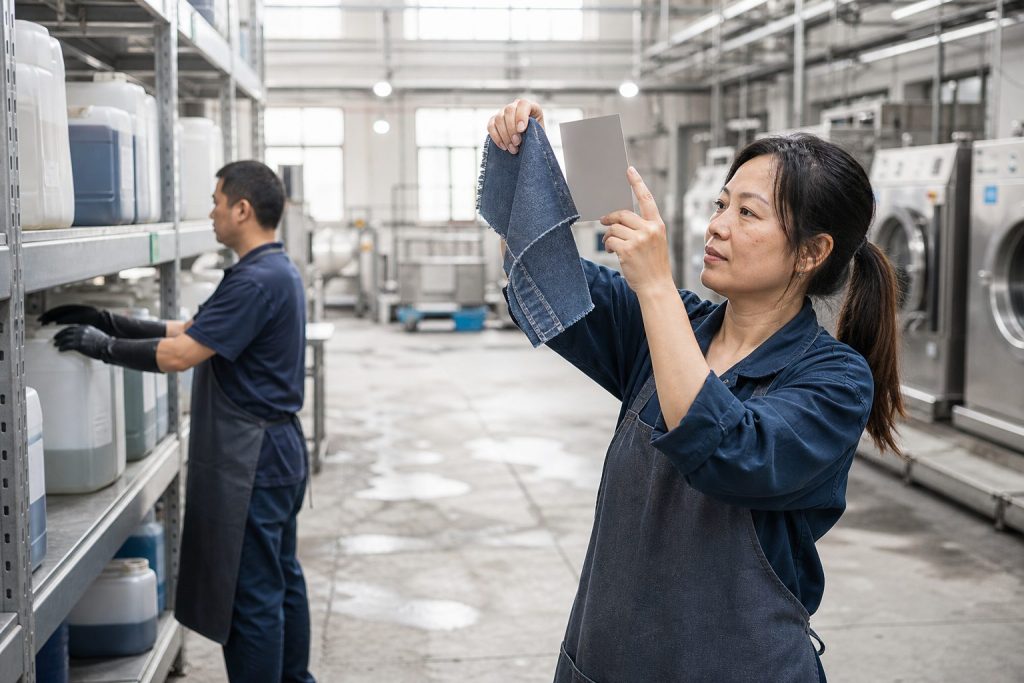
Denim specialists verify restricted substance compliance by controlling what goes into the wash house as well as testing what comes out. In practice, that means four checks: Screen every dye and auxiliary chemical against the ZDHC Manufacturing Restricted Substances List (MRSL). Check facility wastewater against ZDHC wastewater guidelines. Send pre-production samples or the first bulk […]
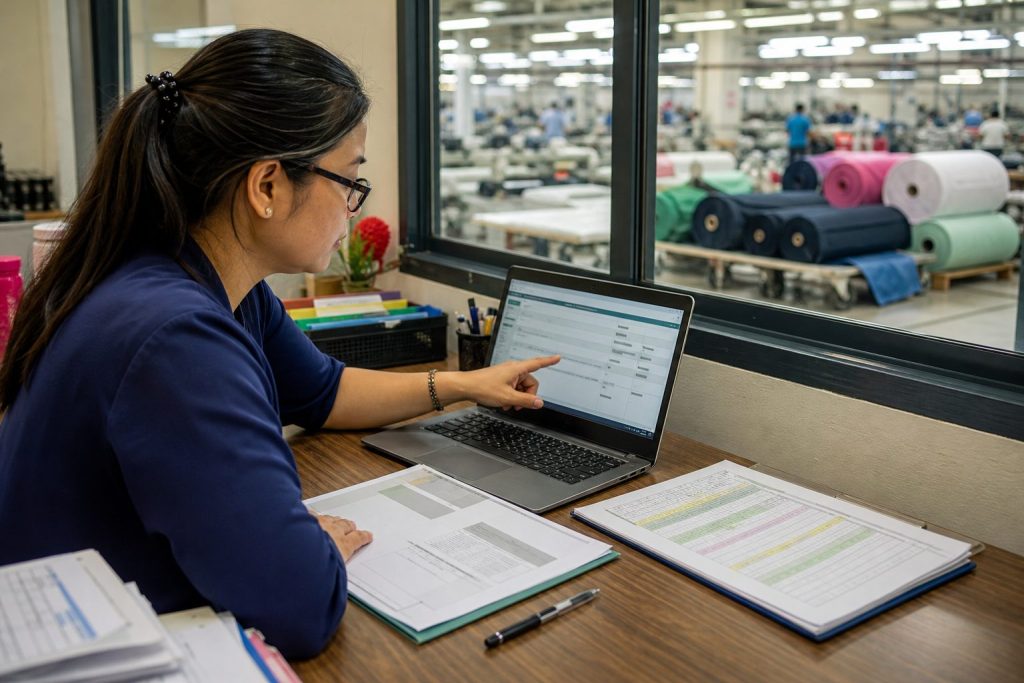
Never rely on the PDF a supplier sends. Check the issuing body’s own database instead. For Oeko-Tex, enter the certificate number in the official Oeko-Tex Label Check and confirm that the company name, validity date, product class, and listed articles match your order. For WRAP, search the official WRAP facility database and confirm that the […]

A bill of lading discrepancy is any mismatch between the information on the bill of lading and what appears on the invoice, packing list, letter of credit, or the actual cargo loaded onto the vessel. It can be as small as a misspelled consignee name or as serious as a weight figure that does not […]

Apparel brands that want to avoid paying the highest ocean freight rates of the year need to book capacity before carriers issue Peak Season Surcharges, which typically arrive several weeks ahead of the July through October peak window. The core discipline is simple to state and hard to execute: forecast volume early, lock bookings 4 […]

When a Section 301 tariff list update is announced, it changes the landed cost of your next purchase order before the ink is dry on your production contract. For apparel brands sourcing from China, the practical response is threefold: confirm your HTS code classification against the updated list within days, recalculate landed cost on open […]
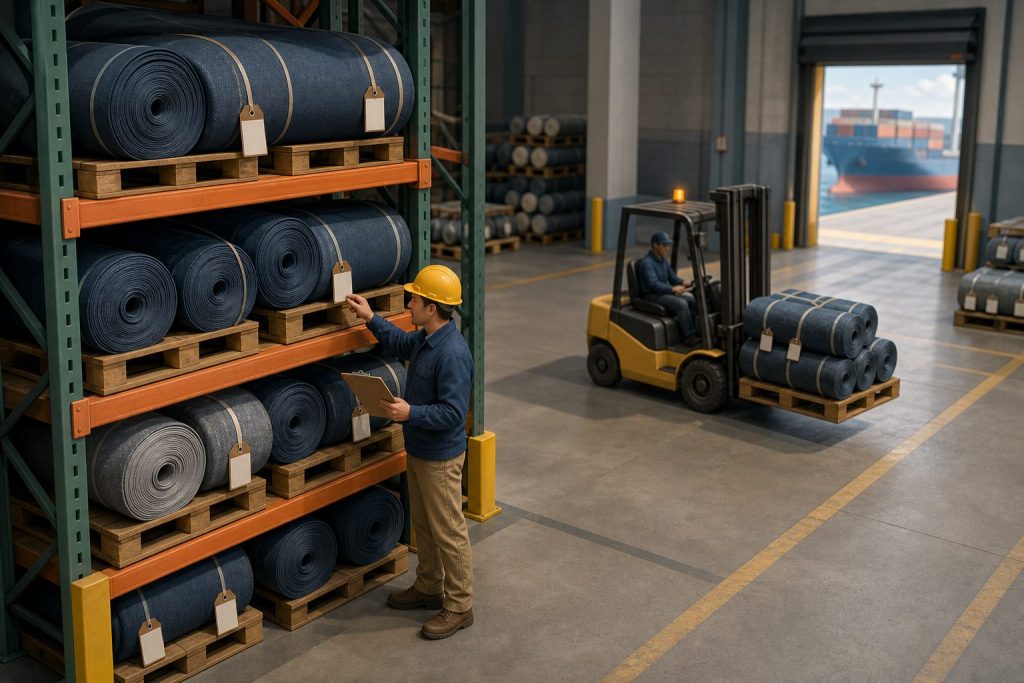
Apparel brands importing denim, wovens, and knitwear into the United States can legally delay or reduce customs duty payments by routing goods through a bonded warehouse or a Foreign Trade Zone (FTZ). A bonded warehouse lets a brand store finished goods for up to five years without paying duty until the merchandise is withdrawn for […]