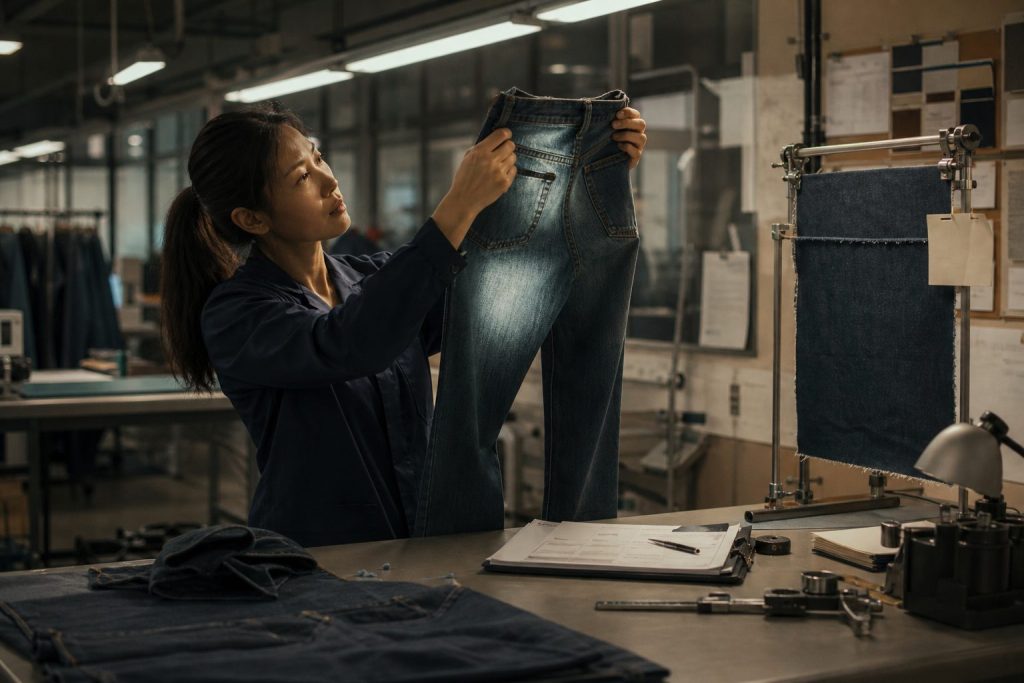
A design team that is truly ready for private label work does more than draw good clothes. It converts a brand’s vision into a production-ready tech pack, understands fabric behavior well enough to prevent fit and wash problems before cutting begins, and works fluently with factories, compliance teams, and quality control checkpoints across the full […]

A brand spending $400,000 or more annually on apparel sourcing has enough order volume to benchmark meaningfully against industry cost structures, but most never do it with real numbers. The right approach breaks total landed cost into its parts (fabric, labor, overhead, logistics, compliance) and compares each line against published industry ranges rather than comparing […]
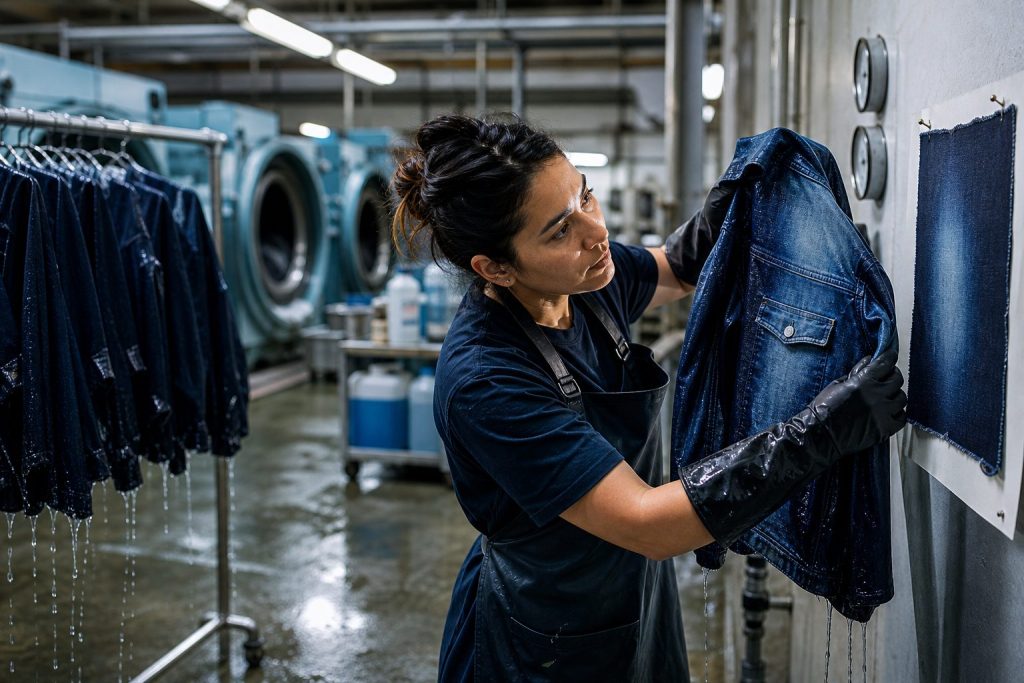
Wash and finish development should run on its own calendar in any denim program, distinct from the cutting and sewing timeline, because the two processes rely on entirely different mechanisms. Garment construction is dry work: cutting panels, stitching seams, attaching hardware to a fixed set of measurements. Wash and finish is wet and chemical work: […]

Mill capacity bottlenecks happen when a denim mill has more fabric orders than loom hours, dye vats, or finishing lines to fulfil them in a given window, forcing brands into price increases, late deliveries, or substitute fabrics. Experienced sourcing partners avoid this by booking mill capacity 2 to 3 seasons ahead, spreading order volume across […]

A sample approval workflow is the clearest window a brand has into how a sourcing partner will actually behave once bulk production starts. The number of sampling rounds required, how deviations are documented, and who signs off at each stage all signal whether a factory and its sourcing partner catch problems on a swatch of […]
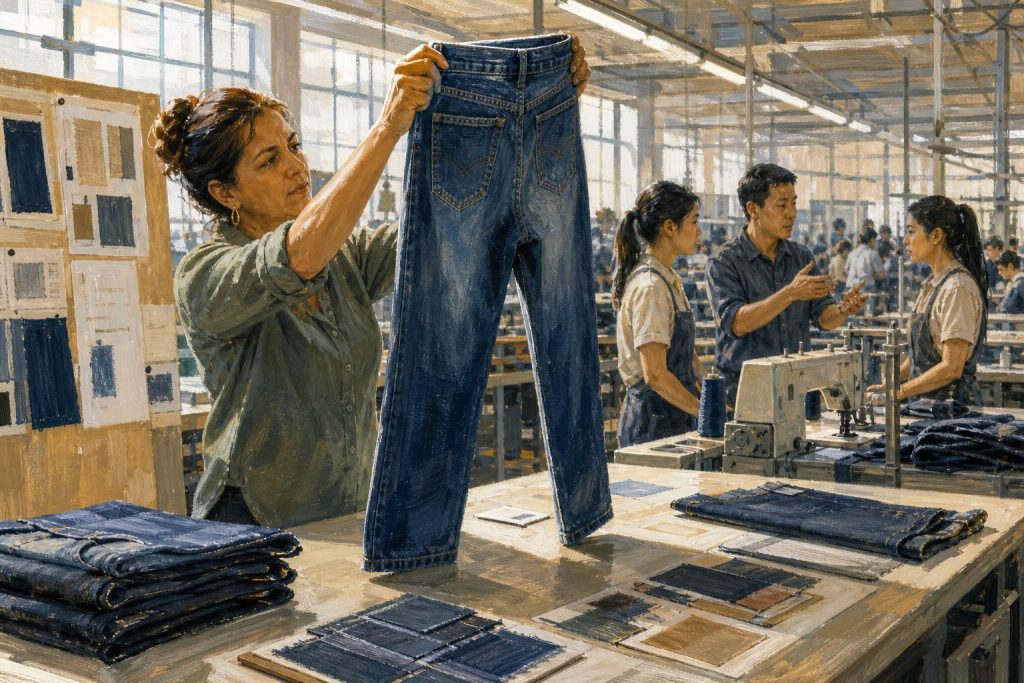
Exiting a sourcing partnership without disrupting delivery commitments requires overlapping the outgoing and incoming supplier relationships rather than switching between them on a single date. The brand keeps the current supplier running live orders while a new partner is sampled, approved, and phased into production, with inventory buffers and shipping schedules bridging the gap until […]

Scenario planning is a structured method for preparing a business to respond to several different possible futures rather than betting on one forecast. For apparel brands, this means building out specific, pre-agreed responses to cotton price spikes, polyester cost swings, or freight disruptions before they happen, so sourcing and production decisions do not have to […]
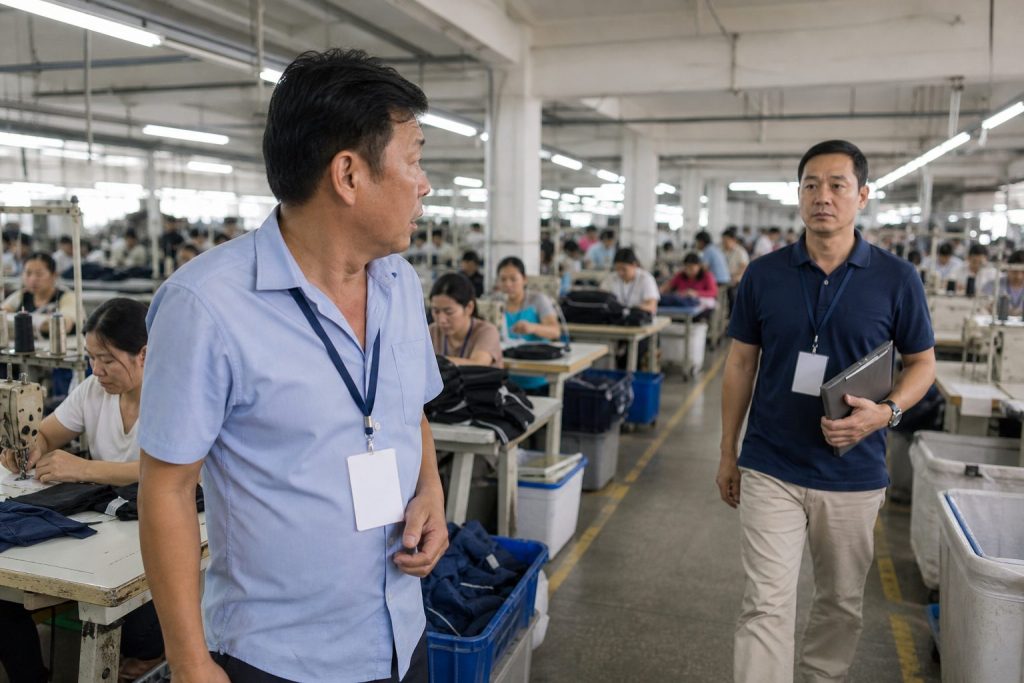
Unannounced factory audits reveal conditions that scheduled visits cannot, because a factory manager who knows the inspection date can prepare for it. That preparation might mean organizing paperwork honestly, or it might mean hiding unauthorized subcontractors, coaching workers on what to say, or temporarily correcting overtime records. A 2026 study by Redica Systems, analyzing FDA […]

A sourcing partner’s pricing honesty can be pressure-tested before any order is placed by requesting open costing (a line-item breakdown of materials, labor, overhead and margin), comparing that breakdown against known cost ratios for the production market, asking how raw material price moves get passed through, and checking whether the partner is willing to explain […]
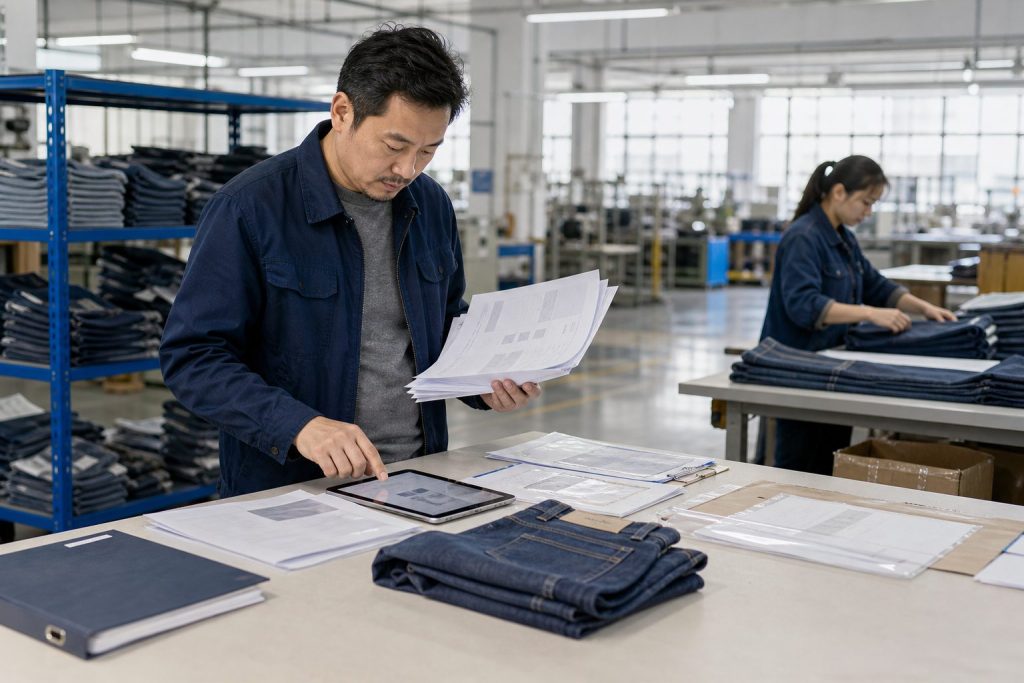
A pre-shipment compliance checklist that stops at defect counts and carton labels only tells you whether a product looks right. It does not tell you whether the cotton in that product can legally cross a US border, whether the factory that made it passed a recent social audit, or whether your packaging will survive an […]